

Jaw pain can start quietly. You might notice some soreness when chewing, a strange clicking sound when you yawn, or tension around your face when you wake up. It is easy to brush these symptoms aside, especially when they come and go.
But recurring jaw discomfort should not become something you simply learn to tolerate. Problems involving the jaw joint and surrounding muscles can affect eating, speaking, sleeping, and everyday comfort. Recognizing the warning signs early can help you know when it is time to seek professional advice.
Here are 10 signs that your jaw pain deserves a closer look.
1. Your Jaw Hurts When You Chew
Pain that repeatedly appears while eating may indicate that the muscles or joints around your jaw are under excessive strain. Pay attention if chewing tougher foods consistently makes the discomfort worse.
If jaw pain is becoming a regular part of mealtimes, it is worth discussing with a dental professional rather than simply avoiding foods that trigger discomfort.
2. Your Jaw Clicks or Pops With Pain
Clicking or popping by itself does not always indicate a serious problem. However, sounds accompanied by pain, tenderness, or difficulty moving your jaw deserve attention.
Notice whether the sound occurs when chewing, yawning, or opening your mouth. Changes in how your jaw feels or moves can provide useful information during an evaluation.
3. Your Mouth Feels Difficult to Open
If you cannot open your mouth as comfortably as you normally do, something may be affecting normal jaw movement. Difficulty opening wide can make eating, brushing, and even yawning uncomfortable.
Restricted movement is especially important to pay attention to when it appears alongside pain, clicking, or a feeling that your jaw is catching.
4. Your Jaw Feels Stiff
Jaw stiffness may appear after waking up or after spending hours clenching your teeth. Persistent stiffness can signal that the muscles and joints are dealing with repeated stress.
You may notice the stiffness most strongly in the morning or after periods of concentration when you tend to hold your teeth together.
5. You Wake Up With Jaw Pain
Morning soreness around your jaw may be associated with nighttime clenching or grinding. You may not realize these habits are happening because they can occur while you are asleep.
Other possible clues include worn teeth, tooth sensitivity, headaches, or tenderness around the jaw muscles. Our dental care team can help evaluate symptoms that may be connected to nighttime grinding and other oral health concerns.
6. You Experience Frequent Headaches
Tension around the jaw can sometimes coincide with headaches, particularly around the temples. If headaches regularly occur alongside jaw discomfort, mention both symptoms during your dental evaluation.
Keeping track of when your headaches occur and whether they coincide with jaw soreness, clenching, or chewing discomfort may also help provide useful information.
7. Your Face Feels Sore or Tender
Tenderness around the cheeks, temples, or jaw muscles can develop when those muscles remain tense for extended periods. Persistent facial soreness should not be ignored, particularly when it occurs with other jaw symptoms.
Pay attention to whether certain areas feel tender when you wake up, chew, or gently touch the muscles around your jaw.
8. Your Jaw Gets Stuck or Locks
A jaw that catches, locks, or becomes difficult to open or close needs attention. Avoid forcing the joint when this happens.
Restricted movement can interfere with eating and speaking and may become more concerning when locking episodes happen repeatedly. A professional evaluation can help determine what may be contributing to the problem.
9. Your Bite Feels Different
Have your teeth suddenly started meeting differently when you close your mouth? A noticeable change in your bite can occur alongside problems affecting the jaw joint or surrounding structures.
An oral health specialist can assess your bite and look for other signs that may help explain the change. Be sure to mention when you first noticed the difference and whether it has remained consistent.
10. The Pain Keeps Coming Back
Recurring pain is one of the clearest reasons to pay attention. Even if the discomfort disappears for a while, repeated episodes may indicate an underlying issue that deserves evaluation.
If teeth grinding may be contributing to your symptoms, learning about teeth grinding causes and consequences can help you recognize habits and symptoms that may otherwise go unnoticed.
When Should You Seek TMJ Treatment?
You do not have to wait until jaw pain becomes severe before seeking professional advice. Frequent soreness, painful clicking, restricted movement, locking, or discomfort that affects eating and daily activities are all reasonable reasons to have your symptoms evaluated.
Treatment depends on what is causing the symptoms. A dental evaluation can help identify contributing factors and determine whether your jaw discomfort may be associated with clenching, grinding, bite concerns, or another issue.
If you are experiencing ongoing jaw discomfort or symptoms associated with grinding, you can learn more about TMJ treatment and teeth grinding care and the options available for addressing these concerns.
Get Answers Before Jaw Pain Becomes Your Routine
Recurring jaw pain can be easy to dismiss when it is mild or comes and goes. However, paying attention to changes in your jaw movement, bite, muscle soreness, and other symptoms can help you recognize when professional advice may be appropriate.
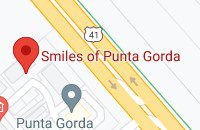
Smiles of Punta Gorda can help evaluate your concerns and discuss the next steps based on your symptoms. If you are ready to speak with the dental team, you can find Smiles of Punta Gorda at 100 Madrid Blvd., Unit 414.
Schedule an appointment to discuss your jaw pain, grinding, or other concerns and learn what may be contributing to your symptoms.
Frequently Asked Questions
Can jaw clicking be normal?
Occasional clicking without pain or restricted movement may not require treatment. However, clicking that occurs with pain, tenderness, locking, or difficulty moving the jaw should be evaluated.
Can teeth grinding cause jaw pain?
Yes. Repeated clenching and grinding can place stress on the jaw muscles and joints and may contribute to soreness, stiffness, headaches, and other symptoms.
Should I see a dentist for recurring jaw pain?
Recurring jaw pain is worth discussing with a dental professional, particularly when it affects eating, sleeping, speaking, or normal jaw movement.
What are common signs of TMJ problems?
Common symptoms can include jaw pain, painful clicking or popping, stiffness, limited movement, locking, headaches, facial tenderness, and changes in how your teeth meet.
What happens during a jaw pain evaluation?
A dental professional may ask about your symptoms and examine your jaw movement, bite, teeth, and surrounding muscles. The evaluation helps determine what may be contributing to your discomfort and whether further care is appropriate.

Visit Smiles of Punta Gorda
We can see you as soon as tomorrow!