
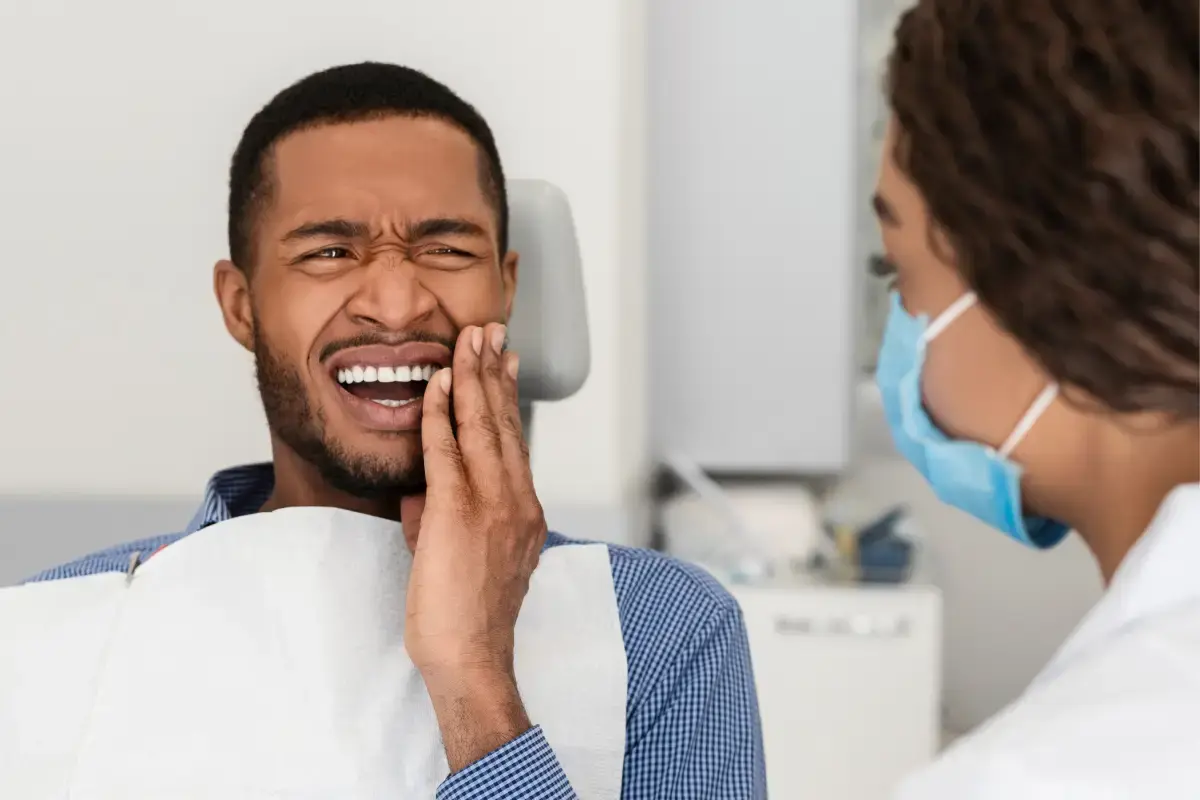
Jaw pain that keeps returning should not always be brushed off as temporary soreness. Pain while chewing, a stiff or locked jaw, painful clicking, or discomfort around the ear can all be associated with temporomandibular disorders, commonly called TMD.
You may need TMJ treatment if jaw symptoms continue, become more frequent, or start interfering with everyday activities. However, these symptoms can have different causes, so having persistent or severe discomfort evaluated is the best way to understand what is happening.
What Is the TMJ?
The temporomandibular joints connect your lower jaw to your skull. You have one joint on each side of your face, just in front of your ears.
These joints help your jaw move whenever you chew, speak, yawn, or open your mouth. TMD refers to a group of conditions that can affect the jaw joints, the muscles used for chewing, and nearby tissues.
Symptoms can vary considerably from person to person. Some problems are temporary and improve without treatment, while others can persist and affect normal jaw function.
10 Signs Your Jaw May Need Attention
1. Your Jaw Hurts When You Chew
Chewing should not consistently cause pain in your jaw. If your jaw hurts while eating or becomes sore after chewing, the joint or muscles responsible for jaw movement may be involved.
Pain with chewing is one of the more recognizable symptoms associated with TMD.
2. Your Jaw Clicks or Pops With Pain
Hearing an occasional click does not automatically mean you have a jaw disorder. Jaw sounds without pain or limited movement are common.
The situation is different when clicking or popping occurs with pain, stiffness, difficulty moving the jaw, or other symptoms. Painful clicking can be associated with problems involving the jaw joint.
3. Your Jaw Feels Stiff
A stiff jaw can make ordinary movements feel uncomfortable. You may notice tightness when you first wake up, while eating, or when trying to open your mouth widely.
Jaw stiffness is a recognized symptom of TMD and may occur along with pain or restricted movement.
4. You Have Trouble Opening Your Mouth
Your mouth should open comfortably enough for eating, brushing your teeth, speaking, and yawning.
If your jaw does not open as far as it normally does or movement feels restricted, something may be interfering with normal jaw function. Limited movement is one of the symptoms associated with TMD.
5. Your Jaw Locks
A jaw that gets stuck when you try to open or close your mouth deserves attention.
Locking can make eating and speaking difficult and may occur when the structures within the jaw joint are not moving normally. Both NIDCR and Mayo Clinic identify jaw locking as a symptom that can occur with TMD.
6. You Frequently Get Headaches Along With Jaw Symptoms
Recurring headaches do not automatically mean you have a jaw disorder. However, headaches can occur alongside TMD, particularly when there is also jaw or chewing muscle pain.
If headaches repeatedly occur with jaw tenderness, stiffness, or discomfort while chewing, mention both symptoms during a dental evaluation. TMD can include headaches associated with a painful jaw disorder.
7. The Area Around Your Ear Hurts
The TMJ sits directly in front of the ears, so problems involving the joint can sometimes cause aching around the ear.
You may notice discomfort near one or both ears, especially when moving your jaw. Ear area pain is a recognized symptom of TMJ disorders, although other ear and facial conditions can cause similar sensations.
8. Your Jaw or Facial Muscles Feel Tired
Your chewing muscles work throughout the day. Repeated clenching, grinding, or excessive jaw activity can leave them feeling tired, tight, or sore.
Muscle related TMD can involve pain in the muscles used for chewing, while clenching and grinding may contribute to jaw muscle discomfort.
9. Your Bite Feels Different
Have your teeth started feeling like they meet differently when you close your mouth?
A noticeable change in how your upper and lower teeth fit together can occur with some TMDs. It does not necessarily mean that your bite caused the problem, but a change is worth mentioning during an evaluation.
10. Jaw Problems Make Eating or Talking Difficult
Jaw problems can become more significant when they interfere with normal activities.
Difficulty chewing, eating, or talking may occur when jaw pain or restricted movement becomes more pronounced. If you find yourself changing what you eat, avoiding certain foods, or limiting how much you open your mouth because of discomfort, it is worth having the problem assessed.
What Can Make Jaw Symptoms Worse?
Certain habits can place additional stress on the jaw muscles and joints. These may include:
• Clenching your teeth during the day
• Grinding your teeth while sleeping
• Chewing gum frequently
• Biting your nails or other objects
• Eating foods that require prolonged chewing
• Opening your mouth very wide
• Holding tension in your jaw during stressful situations
Teeth grinding and clenching can contribute to tired or tight jaw muscles, soreness, headaches, and other symptoms involving the jaw.
Becoming more aware of these habits can help you reduce unnecessary strain while you determine what is causing your symptoms.
Does Every Clicking Jaw Need Treatment?
No.
This is an important distinction because clicking or popping by itself does not necessarily indicate a TMD. NIDCR explains that jaw sounds without pain are common and generally do not require treatment.
The concern increases when jaw sounds occur with pain, limited movement, locking, or difficulty chewing. Those additional symptoms provide more reason to have the jaw evaluated.
What Happens During a Jaw Evaluation?
A dental professional will typically ask about your symptoms, when they started, how often they occur, and what seems to make them better or worse.
The jaw may be examined while you open and close your mouth. The muscles around your face and jaw may also be checked for tenderness, while your range of motion and any clicking or popping may be assessed.
In some situations, imaging may be recommended to get a closer look at the jaw joint. Because jaw and facial pain can have several possible causes, an evaluation may also involve ruling out other dental or medical problems.
When Should You Get Your Jaw Checked?
You do not necessarily need professional treatment for every occasional jaw sound or brief episode of soreness. Many TMD symptoms improve on their own.
However, it is a good idea to have persistent or troublesome symptoms evaluated if you experience:
• Repeated jaw pain
• Pain while chewing
• Painful clicking or popping
• Jaw stiffness
• Limited ability to open your mouth
• Jaw locking
• Pain around the ear
• Jaw or facial muscle soreness
• Headaches occurring with jaw symptoms
• A noticeable change in how your teeth fit together
Mayo Clinic recommends seeking medical attention for constant jaw pain or tenderness, particularly when it occurs during jaw movement, or when you cannot fully open or close your jaw.
Give Persistent Jaw Pain the Attention It Deserves
You should not have to keep changing the way you eat, talk, or open your mouth simply because your jaw hurts. Persistent symptoms can have different causes, and finding the source is an important part of deciding what to do next.
Smiles of Punta Gorda can evaluate ongoing jaw discomfort and help determine whether the symptoms involve the jaw joint, chewing muscles, or another dental concern. If jaw problems are interfering with daily activities, patients in Punta Gorda can take the next step by having those symptoms properly assessed.
Frequently Asked Questions
1. Is jaw clicking always a sign of TMD?
No. Clicking without pain or restricted movement is common. Clicking that occurs with pain or difficulty moving the jaw is more concerning and should be evaluated.
2. Can stress cause jaw pain?
Stress can contribute to habits such as jaw clenching, which may increase muscle tension and discomfort. Stress is considered one factor that may play a role in TMD symptoms.
3. Can teeth grinding affect the jaw?
Yes. Grinding or clenching can leave the jaw muscles tight or sore and may be associated with headaches, jaw pain, and other symptoms.
4. Can TMJ problems cause headaches?
TMD can be associated with headaches, particularly when the headache occurs along with a painful jaw disorder. However, headaches have many possible causes, so they should not automatically be attributed to the jaw.
5. Should I see a dentist for ongoing jaw pain?
Yes. Persistent jaw pain, difficulty opening or closing your mouth, locking, or painful jaw sounds are reasonable reasons to have the problem evaluated. A dentist or other qualified healthcare professional can help determine whether the symptoms may be related to TMD or another condition.


Visit Smiles of Punta Gorda
We can see you as soon as tomorrow!