


Brittle teeth can be a source of discomfort and anxiety, affecting your confidence and overall quality of life. Understanding the causes, symptoms, and management strategies can help you maintain healthier teeth. In this blog, we will explore practical ways to manage brittle teeth effectively.
Understanding Brittle Teeth
Brittle teeth are characterized by a higher susceptibility to cracks, fractures, and chipping. This condition can result from various factors, including genetics, diet, lifestyle habits, and underlying health issues.
Causes of Brittle Teeth
- Genetics: Some individuals may inherit a predisposition to brittle teeth. Conditions like dentinogenesis imperfecta can cause enamel defects, leading to weak teeth.
- Nutritional Deficiencies: A lack of essential vitamins and minerals, particularly calcium and vitamin D, can compromise tooth strength. Additionally, inadequate intake of phosphorus and vitamin C may contribute to dental issues.
- Medical Conditions: Certain medical conditions, such as osteoporosis, can weaken bones, including those that support the teeth. Other conditions, like acid reflux, can erode tooth enamel, making teeth more vulnerable.
- Lifestyle Habits: Poor oral hygiene, smoking, and excessive alcohol consumption can damage teeth over time. Additionally, bruxism (teeth grinding) can lead to increased wear and tear on tooth surfaces.
- Medications: Some medications can have side effects that affect dental health. For example, certain antihistamines can reduce saliva production, leading to dry mouth, which increases the risk of tooth decay.
Symptoms of Brittle Teeth
Brittle teeth may present various symptoms, including:
- Increased sensitivity to hot or cold temperatures
- Visible cracks or chips in the enamel
- Frequent cavities or dental decay
- Pain while chewing or biting
- Changes in the color of teeth
If you experience any of these symptoms, it’s essential to consult a dentist for a thorough evaluation.
Managing Brittle Teeth
Managing brittle teeth involves adopting a multifaceted approach that includes preventive care, lifestyle changes, and professional treatment options.
1. Maintain Good Oral Hygiene
Good oral hygiene is the foundation for healthy teeth. Here are some essential practices:
- Brush Regularly: Brush your teeth at least twice a day with fluoride toothpaste. Use a soft-bristled toothbrush to avoid further damaging weak enamel.
- Floss Daily: Flossing helps remove plaque and food particles between teeth, reducing the risk of cavities and gum disease.
- Rinse with Mouthwash: Use an antibacterial mouthwash to kill harmful bacteria and strengthen your teeth.
2. Adopt a Balanced Diet
A nutritious diet is crucial for maintaining strong teeth. Consider the following:
- Increase Calcium Intake: Incorporate calcium-rich foods such as dairy products, leafy greens, and fortified plant-based alternatives. Calcium helps strengthen teeth and bones.
- Consume Vitamin D: Vitamin D aids calcium absorption. Spend time in sunlight and include vitamin D-rich foods like fatty fish, egg yolks, and fortified cereals in your diet.
- Limit Sugary and Acidic Foods: Reduce your consumption of sugary snacks and beverages, which can erode enamel and lead to cavities. Acidic foods, like citrus fruits and soda, should also be consumed in moderation.
3. Stay Hydrated
Drinking plenty of water is essential for overall health and dental wellness. Staying hydrated helps maintain saliva production, which is crucial for neutralizing acids in the mouth and washing away food particles. Consider drinking water throughout the day, especially after meals.
4. Avoid Harmful Habits
Certain habits can exacerbate brittleness and damage to your teeth. Here are some to avoid:
- Quit Smoking: Smoking can weaken teeth and lead to gum disease. If you smoke, consider seeking support to quit.
- Limit Alcohol Consumption: Excessive alcohol intake can contribute to dry mouth and increase the risk of dental issues. Moderation is key.
- Manage Stress: If you grind your teeth due to stress, consider relaxation techniques such as yoga or meditation. A night guard may also be recommended by your dentist to protect your teeth during sleep.
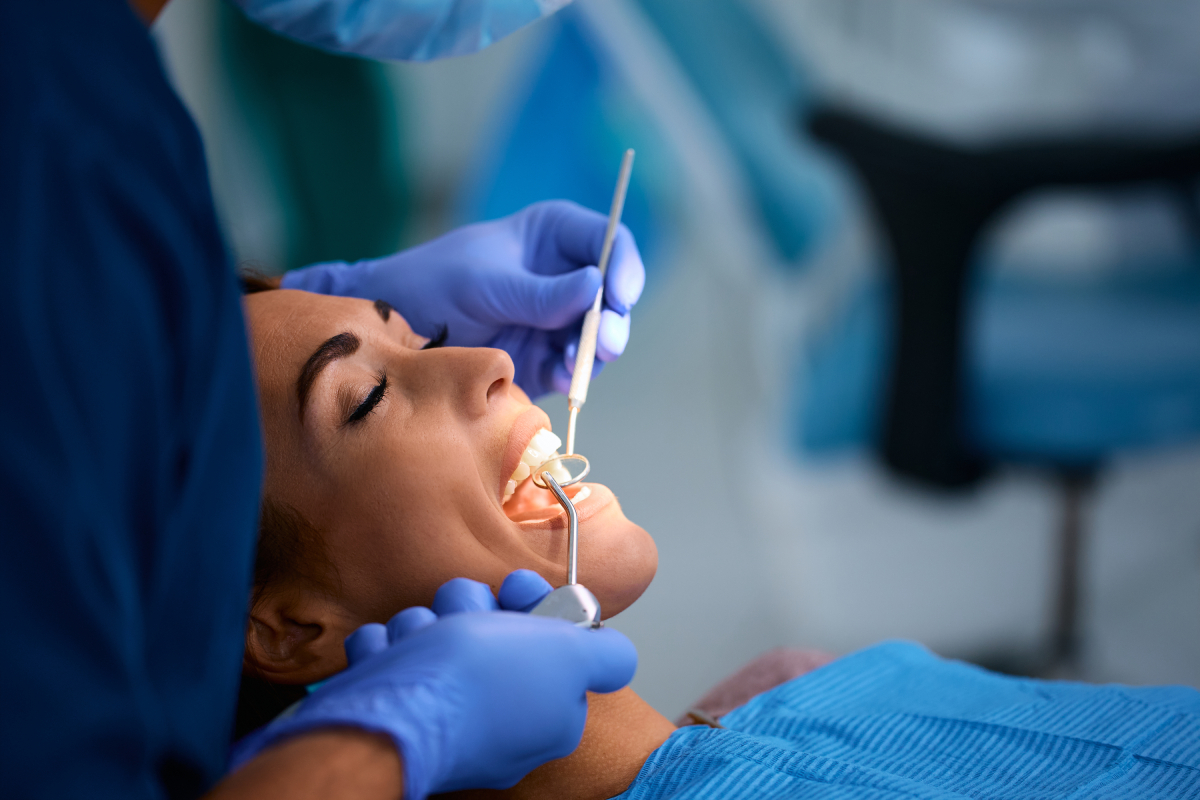
5. Seek Professional Dental Care
Regular dental visits are crucial for managing brittle teeth. Your dentist can provide tailored advice and treatments to strengthen your teeth. Some options may include:
- Fluoride Treatments: Professional fluoride applications can help remineralize enamel and make teeth more resistant to decay.
- Dental Sealants: Sealants are protective coatings applied to the chewing surfaces of back teeth. They act as a barrier against bacteria and acids.
- Crowns or Veneers: In cases of significant damage, crowns or veneers can restore the strength and appearance of brittle teeth.
- Orthodontic Treatment: If misalignment is contributing to your tooth brittleness, orthodontic treatment may be recommended to improve your bite and reduce pressure on your teeth.
Conclusion
Brittle teeth can be a challenging condition, but with proper management, you can maintain your dental health and enjoy a confident smile. By practicing good oral hygiene, adopting a balanced diet, avoiding harmful habits, and seeking professional care, you can take significant steps toward managing brittle teeth effectively. If you suspect that you have brittle teeth, don’t hesitate to consult a dentist for personalized advice and treatment options. Remember, proactive care is the key to preserving your dental health and overall well-being.


Visit Smiles of Punta Gorda
We can see you as soon as tomorrow!