


Oral surgery can be a daunting prospect. It often conjures up images of pain and discomfort, but the truth is it doesn’t have to be that way. With the right care and guidance, oral surgery can be a relatively straightforward process and one that can yield positive results for your health in the long run. This blog post will provide insight into oral surgery so you know what to expect if you ever need it. We will cover topics such as types of surgery, preparation for surgery, recovery, and more. Read on to get a comprehensive understanding of all things related to oral surgery!
What Is Oral Surgery?
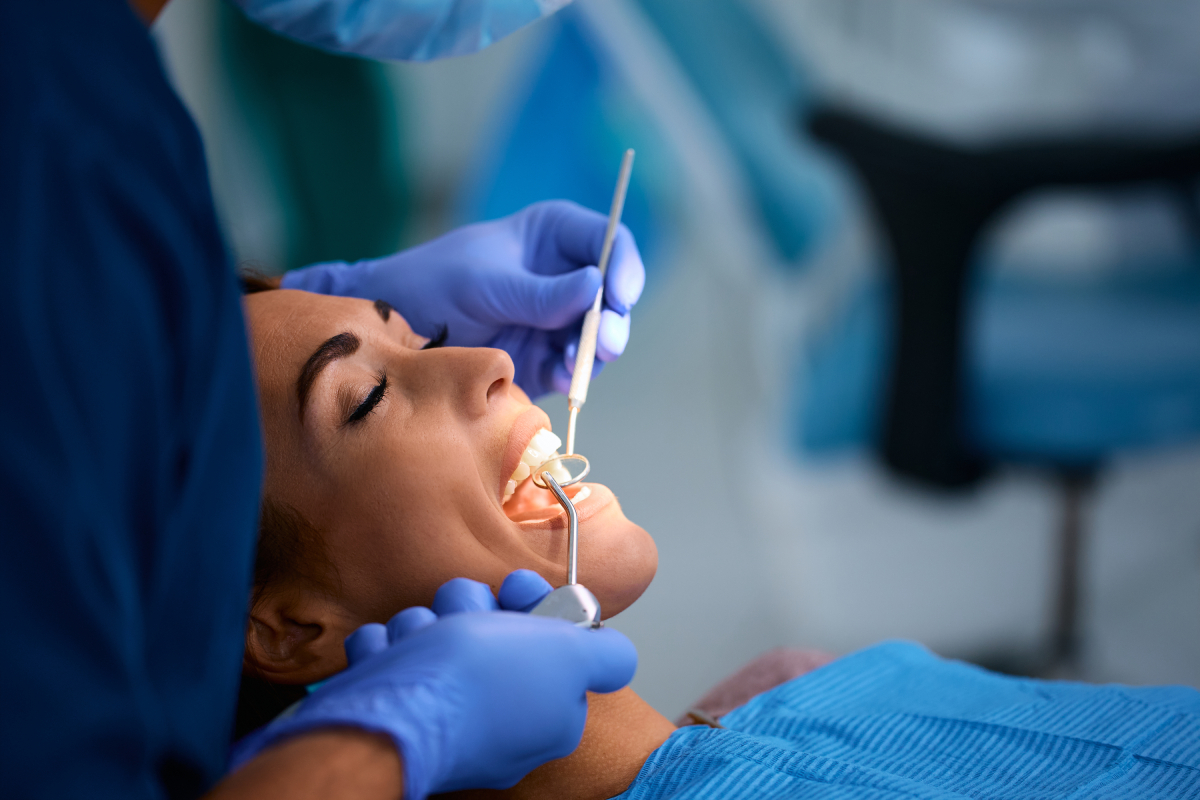
Oral surgery refers to a wide range of surgical procedures performed in and around the mouth and jaw. While many people associate it solely with tooth extractions, it encompasses much more. Oral surgeons are trained to handle complex cases involving the teeth, gums, jaws, and facial bones. These procedures are often essential for treating infections, injuries, or congenital issues that affect oral function and overall quality of life.
At Smiles of Punta Gorda, each case is unique, and treatment is often tailored to the patient’s individual needs. For those seeking oral surgery in Punta Gorda, it’s essential to consult a trusted dental professional who prioritizes patient-centered care and takes time to explain the entire process clearly.
The Different Types of Oral Surgery
There are many types of oral surgery, and each has a specific purpose. Here is a brief overview of the most common types of oral surgery:
Tooth extraction:
This is the most common type of oral surgery, performed to remove a tooth that is damaged, decayed, or otherwise unable to be saved.
Root canal:
This procedure is performed to save a damaged or infected tooth. The root canal procedure involves removing the damaged or infected tissue from the tooth and then sealing it to prevent further damage.
Bone grafting:
This procedure is performed when there is not enough bone in the jaw to support dental implants. Bone grafting involves taking bone from another area of the body and transplanting it into the jawbone.
Dental implants:
Dental implants are artificial teeth that are surgically implanted into the jawbone. Dental implants can be used to replace one or more missing teeth.
Preparing for Oral Surgery
If you are scheduled for oral surgery, there are a few things you can do to prepare for the procedure. First, be sure to follow any instructions your surgeon gives you regarding diet and medications. You may be asked to fast or avoid certain foods and beverages before surgery. It is also important to take any prescribed antibiotics as directed.
You should also plan to have someone drive you home after your surgery since you will not be able to drive yourself. It is also a good idea to have someone stay with you for the first 24 hours after surgery in case you need help with anything.
Finally, make sure you know what to expect after surgery. Your mouth will likely be sore and swollen for a few days. You may also have some bruising around your face and neck. Be sure to follow all of your surgeon’s instructions for care after surgery to ensure proper healing.
The Recovery Process
Once the anesthesia has worn off and you are no longer numb, you may feel some pain and discomfort. This is normal. Your oral surgeon will prescribe medication to help manage any pain and discomfort. It is important to take only the medication prescribed by your oral surgeon and follow the instructions carefully.
You may also have some swelling in your face, jaw, and lips. This is also normal and will go away over time. To help reduce the swelling, apply ice packs to your face for 20 minutes at a time, several times a day.
You should avoid hot liquids, spicy foods, and alcohol as they can irritate your healing tissues. Stick to soft foods like soup, pudding, applesauce, etc., until your surgical site has healed enough that you can eat normally again.
Most people return to their regular activities within a week or two after surgery. However, it is important to listen to your body and take things slowly at first. Avoid strenuous activity and excessive mouth opening for at least a week after surgery.
If you have any questions or concerns during your recovery process, be sure to get in touch with your oral surgeon right away!
Conclusion
We hope this comprehensive guide to oral surgery has answered any questions you may have had about the process. As we discussed, oral surgery is a very serious matter and should only be undertaken when necessary. If you need an oral surgeon, make sure that they are experienced and qualified before proceeding with your treatment plan. Schedule an appointment today to speak with a knowledgeable professional about your oral health concerns and the treatment options available to you.
At our dental clinic, we are committed to providing high-quality, patient-centered oral surgery care that prioritizes your comfort, safety, and long-term well-being.
Common Questions
Oral surgery is a branch of dentistry that deals with the diagnosis and treatment of conditions affecting the mouth, jaws, and face. It can encompass a wide range of procedures, from simple extractions to complex facial reconstruction.
While anyone can require oral surgery at some point in their life, it is most often performed on patients who have dental implants, impacted teeth, or other serious mouth/jaw problems.
The cost of oral surgery will vary depending on the specific procedure being performed. Generally speaking, though, it tends to be fairly expensive – particularly if you do not have insurance coverage.


Visit Smiles of Punta Gorda
We can see you as soon as tomorrow!