

Brushing twice a day is one of the simplest ways to maintain good oral hygiene. But when choosing a toothbrush, many people wonder whether an electric model cleans better than a traditional manual one.
Both options can help remove plaque and protect your teeth when used correctly. The better choice depends on your brushing technique, comfort, personal needs, and consistency.
How Manual Toothbrushes Work
A manual toothbrush relies on your hand movements to clean the surfaces of your teeth and along the gumline. It is easy to use, widely available, and does not require batteries or charging.
Manual toothbrushes also come in different sizes and bristle styles. A soft bristled brush is generally a good choice for everyday cleaning because it can remove plaque without placing unnecessary pressure on your teeth and gums.
However, cleaning effectively requires proper technique. Brushing too quickly, applying too much pressure, or missing certain areas can leave plaque behind.
How Electric Toothbrushes Work
Electric toothbrushes use powered movements to clean the teeth. Depending on the model, the brush head may rotate, oscillate, or vibrate.
Many options include features designed to make brushing easier, such as:
- Built in timers to encourage brushing for two minutes.
- Pressure sensors that alert you when you brush too hard.
- Different cleaning modes for individual preferences.
- Rechargeable handles and replaceable brush heads.
These features can be useful for people who have difficulty maintaining consistent brushing movements. Some research also suggests that certain powered toothbrushes can reduce plaque and gingivitis more effectively than manual toothbrushes.
Electric vs. Manual: Which One Should You Choose?
Neither option is automatically right for everyone. Consider the following differences before making a choice.
Cleaning performance: Both can clean effectively when used properly. Certain electric toothbrushes may offer an advantage in plaque removal, but technique still matters.
Ease of use: Electric models do much of the brushing movement for you. This may help people with limited hand mobility or difficulty controlling a manual brush.
Cost and convenience: Manual toothbrushes are generally less expensive and do not need charging. Electric models have a higher initial cost and require replacement brush heads or batteries.
Brushing pressure: Some electric toothbrushes have pressure sensors that can help prevent aggressive brushing. With a manual brush, you need to monitor your pressure yourself.
Tips for Better Brushing With Either Option
Whichever toothbrush you choose, good habits make a difference.
- Brush twice a day for two minutes.
- Use a soft bristled toothbrush.
- Clean all tooth surfaces, including the back teeth.
- Angle the bristles toward the gumline.
- Avoid scrubbing aggressively.
- Replace your toothbrush or brush head every three to four months, or sooner if the bristles become worn.
Your brushing technique matters just as much as the toothbrush itself. If you need a practical refresher, this guide on how to brush your teeth effectively explains why proper movements and consistent habits matter.
Why Regular Dental Checkups Still Matter
Even with a good toothbrush and consistent home care, brushing cannot replace professional dental examinations. Routine visits allow the dental team to check for plaque buildup, early signs of decay, and gum inflammation that may not be noticeable at home.
For children and adults, regular cleanings and examinations are important parts of maintaining oral health. The practice’s preventive dental care for the whole family includes routine services that help monitor teeth and gums at different stages of life.
Build a Brushing Routine That Works
The best toothbrush is one you can use comfortably and consistently. Whether you prefer an electric or manual model, proper technique and regular dental visits remain essential.
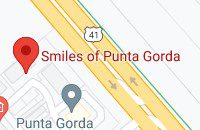
Choosing a toothbrush that suits your needs is an important part of maintaining good oral hygiene. If you are unsure whether an electric or manual toothbrush is right for you, the team at Smiles of Punta Gorda can offer guidance based on your brushing habits and oral health. Schedule a dental visit to discuss your concerns and find the office location before your appointment.
Frequently Asked Questions
1. Are electric toothbrushes better than manual toothbrushes?
Some electric toothbrushes may remove plaque and reduce gingivitis more effectively than manual brushes. However, both can clean teeth well when used with proper technique and consistency.
2. How long should you brush your teeth with an electric or manual toothbrush?
Brush for two minutes, twice daily, regardless of the toothbrush type. Divide your attention between all areas of your mouth to avoid missing the back teeth or gumline.
3. Is an electric toothbrush better for people with sensitive gums?
An electric toothbrush with a pressure sensor and a gentle cleaning mode may help people avoid brushing too aggressively. A soft bristled brush is also important. Anyone experiencing persistent gum sensitivity should discuss it with a dentist.
4. How often should you replace a toothbrush or electric brush head?
Replace manual toothbrushes and electric brush heads approximately every three to four months. Replace them sooner if the bristles become frayed or damaged.
Visit Smiles of Punta Gorda
We can see you as soon as tomorrow!