

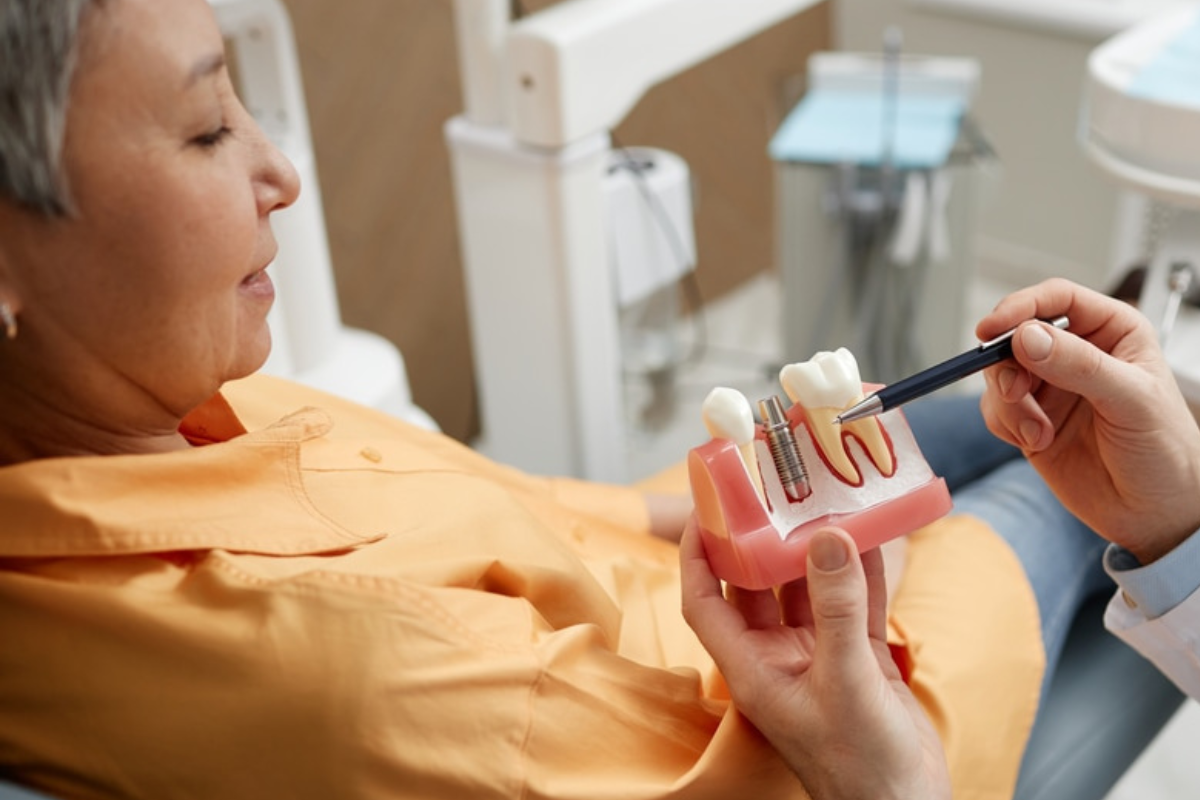
Planning to replace a missing tooth can raise questions, especially when a dentist mentions that additional treatment may be necessary before placing an implant. One possibility is bone grafting, a procedure that adds material to an area of the jaw where bone volume is insufficient.
Not everyone needs this step. Whether it is necessary depends on the condition of the jawbone, the location of the missing tooth, and the support available for the planned restoration.
Why Might You Need a Bone Graft?
Dental implants need adequate jawbone to remain stable. When bone lacks sufficient height, width, or density, a graft may help create a stronger foundation.
Several situations can lead to bone loss:
- Missing teeth: The jawbone can gradually shrink after tooth loss because it no longer receives stimulation from the tooth root.
- Previous tooth extraction: Bone may change shape after an extraction, leaving less material to support an implant.
- Gum disease: Advanced periodontal disease can damage the bone supporting the teeth.
- Upper back teeth: Limited bone beneath the sinus may require a specialized procedure called a sinus lift.
A graft does not automatically mean an implant is necessary or guaranteed to succeed. Your dental team will assess the available bone and discuss suitable options.
What Happens During the Procedure?
The process depends on how much bone the area needs and where the graft will go. In many cases, the procedure follows a few straightforward steps.
- Evaluation: Your dentist examines the area and may use dental imaging to assess the jawbone.
- Anesthesia: Local anesthesia numbs the treatment area. Sedation may be available when appropriate.
- Graft placement: The dentist opens the gum tissue and places graft material where additional bone support is needed.
- Protection and closure: A protective membrane may cover the graft before the gum tissue is secured with stitches.
Graft material may come from your own bone, a donor source, an animal source, or a synthetic substitute. The appropriate option depends on the clinical situation and the treatment plan.
In selected cases, the dentist can place the graft and implant during the same procedure. Other situations require the graft to heal first.
What Is Recovery Like?
Mild swelling, tenderness, bruising, and discomfort can occur during the first several days. Most people find these symptoms manageable by following their provider’s instructions and taking recommended medication.
During recovery, you may need to:
- Eat soft foods while the area heals.
- Avoid disturbing the surgical site.
- Keep your mouth clean according to the instructions provided.
- Avoid smoking or vaping because these habits can interfere with healing.
- Attend follow up visits so the treatment team can monitor progress.
Initial recovery often takes about one to two weeks, but the underlying bone needs longer to heal. Many patients require three to six months before implant placement, although larger grafts may take longer.
An oral health specialist can explain the expected timeline based on the size of the graft and individual healing factors.
Does Everyone Need This Additional Treatment?
No. Some people have enough healthy bone to support an implant without grafting. Others may benefit from a graft to improve the available support.
If you are exploring tooth replacement, an experienced dental team can help you understand the evaluation process and the factors that influence treatment planning.
Take the Next Step Toward Tooth Replacement
If bone grafting may be part of the plan for replacing a missing tooth, discussing the available options with a dental team can help clarify the process, recovery timeline, and next steps. Patients considering treatment in Punta Gorda, FL, can find directions to Smiles of Punta Gorda and plan a visit to discuss bone grafting options. Schedule an appointment to learn more about the treatment approach suited to individual needs.
Frequently Asked Questions
1. Is the procedure painful?
Local anesthesia helps prevent pain during treatment. Some soreness and swelling afterward are common, and your provider can recommend ways to manage discomfort.
2. How long does a bone graft take to heal?
Initial healing often takes one to two weeks. The graft itself may need three to six months or longer to develop sufficient support for an implant.
3. Can an implant be placed on the same day?
Sometimes. When the existing bone provides enough stability and the graft is relatively limited, both procedures may be possible during one visit.
4. What happens if I do not have enough jawbone?
Your dentist may discuss grafting or other appropriate tooth replacement options. Imaging and an examination help determine which approach makes sense for your situation.


Visit Smiles of Punta Gorda
We can see you as soon as tomorrow!