
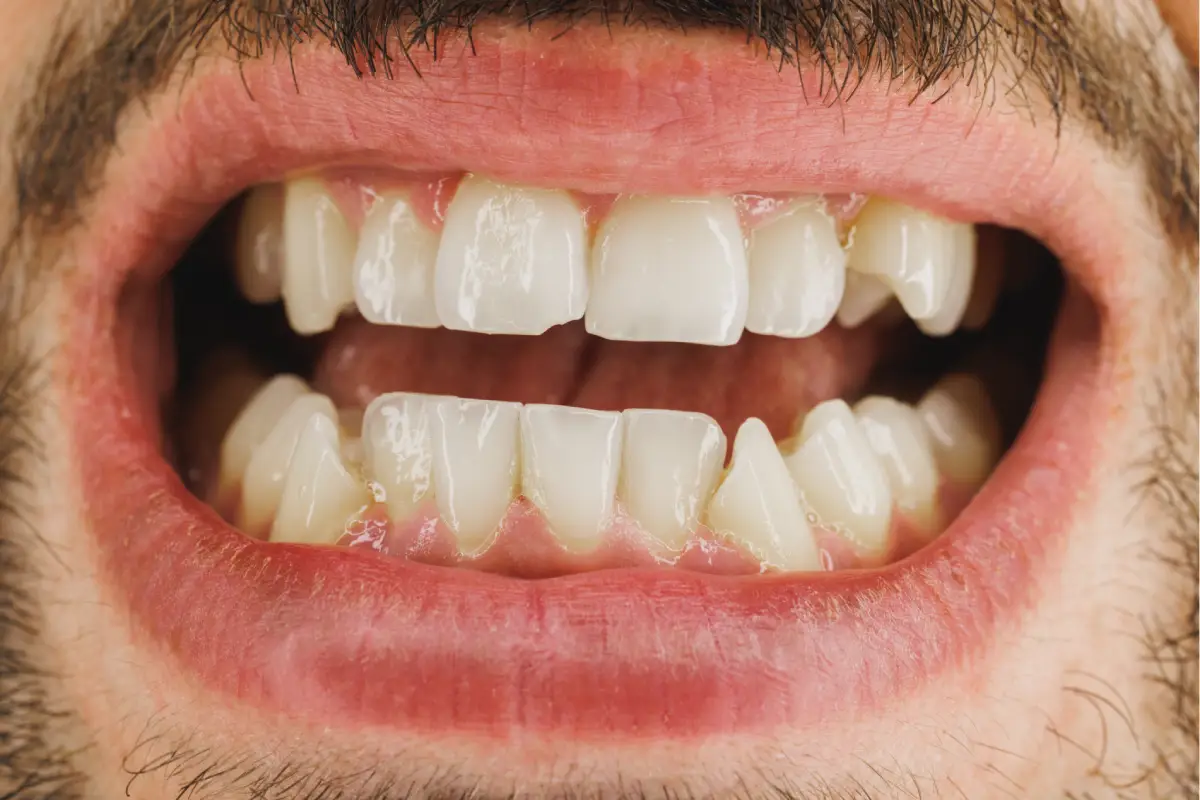
It happens fast. One bite into something harder than expected, one small accident, and suddenly there’s a rough edge where a smooth tooth used to be. Your tongue finds it immediately, and your mind starts racing through worst-case scenarios. If you’re wondering chipped tooth what to do in the moment, the good news is that most chips are far more manageable than they feel in the first panicked minute.
Take a breath first. Not every chip is a dental emergency, but knowing how to respond in the first hour can make a real difference in how your tooth heals and how easily it can be repaired.
At Smiles of Punta Gorda, Dr. Jeremy Martin and our team walk patients through this exact situation on a regular basis. Knowing what to do, and just as importantly, what not to do, can take a lot of the stress out of a stressful moment.
First Steps Right After a Chip
Start by rinsing your mouth gently with warm water to clear away any debris. If there’s any bleeding, apply light pressure with a clean piece of gauze or a damp cloth. If you can find the broken piece of tooth, save it in a small container with milk or your own saliva, since it may be useful for repair depending on the size of the chip. Avoid chewing on that side of your mouth until you’ve been seen, and if the edge feels sharp, a small piece of sugar-free gum or dental wax can help protect your tongue and cheek in the meantime.
Is It a Cracked Tooth Emergency?
Not every chip requires an immediate visit, but certain signs point to a cracked tooth emergency that shouldn’t wait. Sharp or worsening pain, visible bleeding that doesn’t stop, a tooth that feels loose, or a chip large enough to expose the inner layer of the tooth are all reasons to seek immediate dental care the same day. On the other hand, a small cosmetic chip with no pain and no rough edges left unmanaged can often be scheduled within a day or two without much risk.
Not every chip requires an immediate visit, but certain signs point to a cracked tooth emergency that shouldn’t wait. Sharp or worsening pain, visible bleeding that doesn’t stop, a tooth that feels loose, or a chip large enough to expose the inner layer of the tooth are all reasons to seek immediate dental care the same day.
Why Timing Matters More Than It Seems
Even when a chip looks minor, tooth structure that’s exposed to air, bacteria, and temperature changes is more vulnerable than it appears. Waiting too long can allow bacteria to reach deeper layers of the tooth, sometimes turning a simple repair into something more involved. This is exactly why having access to a reliable broken tooth solution matters, since prompt care usually means a faster, simpler fix rather than a more extensive one down the road.
If you’ve chipped a tooth, don’t wait to see if it gets better on its own. Schedule an appointment with our team so we can evaluate the damage and recommend the best treatment before the problem becomes more serious.
What to Avoid Doing at Home
It’s tempting to try smoothing a rough edge yourself with a nail file or to use super glue as a temporary fix, but both can do more harm than good. Filing can weaken the tooth further, and household adhesives aren’t safe for use inside the mouth. Over-the-counter dental cement can offer very short-term relief for sharp edges, but it’s not a substitute for a professional evaluation.
Get It Looked At – Visit Smiles of Punta Gorda in Punta Gorda, FL
A chipped tooth can feel like a bigger deal than it turns out to be, but the only way to know for sure is to have it evaluated. At Smiles of Punta Gorda, we see chips and cracks of every size, and we’ll help you understand exactly what’s going on and what it takes to fix it. If you’ve chipped a tooth and aren’t sure what to do next, visit our dental office in Punta Gorda, FL, and we’ll take it from there.
FAQ
Is a chipped tooth always a dental emergency?
Not always. Small, painless chips can often wait a day or two, but pain, bleeding, or a loose tooth should be seen the same day.
What should I do immediately after chipping a tooth?
Rinse with warm water, save any broken piece if possible, avoid chewing on that side, and protect sharp edges with dental wax if needed.
Can a chipped tooth heal on its own?
No, tooth enamel doesn’t regenerate, so a chip won’t heal itself and will need to be evaluated and repaired by a dentist.
Will a chipped tooth get worse if I wait too long?
It can. Exposed tooth structure is more vulnerable to bacteria and further damage, so delaying care sometimes leads to a more involved repair.
Can I use household glue to fix a chipped tooth temporarily?
No, household adhesives aren’t safe for use in the mouth and can cause additional harm; dental wax is a safer temporary option.


Visit Smiles of Punta Gorda
We can see you as soon as tomorrow!