


Maintaining good oral health is essential for overall well-being. Healthy teeth not only contribute to a beautiful smile but also play a crucial role in digestion and self-esteem. Here are ten effective strategies to help you keep your teeth healthy.
1. Brush Your Teeth Twice a Day
Brushing your teeth is the cornerstone of oral hygiene. Make sure to brush your teeth at least twice a day—once in the morning and once before bed. Use fluoride toothpaste, as fluoride helps strengthen tooth enamel and prevent decay.
Brushing Technique
Proper brushing technique is just as important as frequency. Use a soft-bristled toothbrush and brush for at least two minutes, making sure to clean all surfaces of your teeth, including the front, back, and chewing surfaces. Don’t forget to brush your tongue to remove bacteria and freshen your breath.
2. Floss Daily
While brushing removes plaque and food particles from the surface of your teeth, flossing is crucial for cleaning between teeth and below the gum line, where a toothbrush can’t reach.
Benefits of Flossing
Daily flossing helps prevent gum disease and cavities between teeth. If you’re unsure how to floss correctly, consult your dentist for guidance. If traditional flossing is challenging, consider using floss picks or water flossers.
3. Visit Your Dentist Regularly
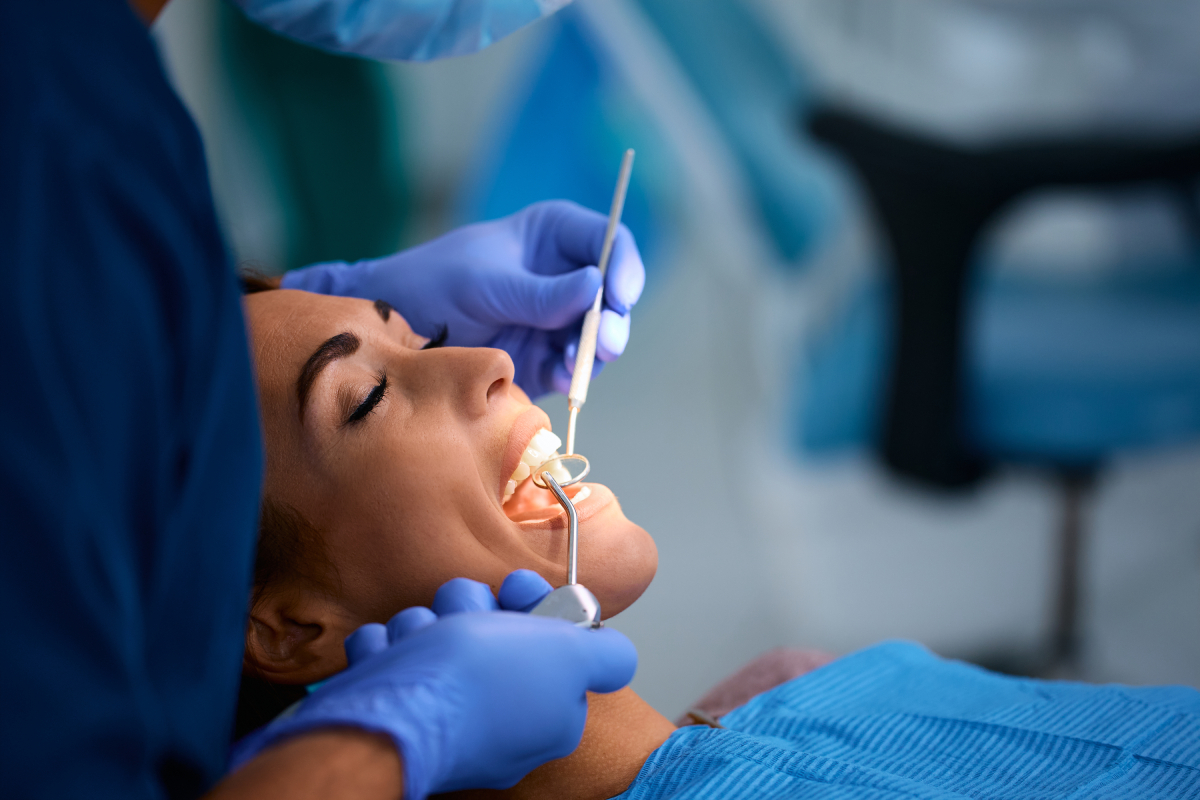
Regular dental check-ups are vital for maintaining oral health. Aim to see your dentist at least twice a year for cleanings and examinations.
Importance of Professional Cleanings
Professional cleanings remove tartar buildup and help prevent gum disease. During these visits, your dentist can detect potential issues early, allowing for timely treatment and prevention of more severe problems.
4. Maintain a Balanced Diet
What you eat significantly impacts your dental health. A balanced diet rich in fruits, vegetables, whole grains, and lean proteins provides essential nutrients for your teeth and gums.
Foods to Avoid
Limit sugary snacks and beverages. Sugar feeds harmful bacteria in the mouth, leading to cavities. Acidic foods and drinks, such as citrus fruits and soda, can also erode enamel over time. If you indulge, rinse your mouth with water afterward to help neutralize acids.
5. Drink Plenty of Water
Water is essential for overall health and plays a significant role in maintaining oral hygiene. Drinking water helps wash away food particles and bacteria from the mouth.
Benefits of Fluoridated Water
If possible, drink fluoridated water, as fluoride helps strengthen tooth enamel and reduce the risk of cavities. Aim to drink at least eight 8-ounce glasses of water a day.
6. Use Mouthwash
Incorporating mouthwash into your oral hygiene routine can provide additional protection for your teeth and gums. Mouthwash helps reduce plaque, gingivitis, and bad breath.
Choosing the Right Mouthwash
Look for an antimicrobial or fluoride mouthwash. Follow the label’s instructions for proper use, and don’t use mouthwash as a substitute for brushing or flossing.
7. Avoid Tobacco Products
Tobacco use is detrimental to your oral health, increasing the risk of gum disease, tooth decay, and oral cancer. Quitting tobacco can significantly improve your oral and overall health.
Seek Support
If you’re struggling to quit, consider seeking support from healthcare professionals or support groups. There are many resources available to help you on your journey to quitting.
8. Limit Staining Foods and Beverages
Certain foods and drinks can stain teeth over time. Coffee, tea, red wine, and berries are common culprits.
Tips for Reducing Stains
If you enjoy these items, consider using a straw for beverages to minimize contact with your teeth. Rinse your mouth with water after consuming staining foods or drinks to help reduce their effects.
9. Protect Your Teeth from Injury
Take precautions to protect your teeth from injury during sports or high-impact activities. Wearing a mouthguard can prevent damage to your teeth, especially if you participate in contact sports.
Types of Mouthguards
You can purchase a mouthguard at a sporting goods store or have one custom-made by your dentist for a better fit and protection.
10. Be Mindful of Teeth Grinding
Teeth grinding, or bruxism, can lead to worn-down teeth, jaw pain, and other dental issues. If you notice signs of grinding, such as jaw soreness or worn enamel, talk to your dentist.
Treatment Options
Your dentist may recommend a custom nightguard to protect your teeth while you sleep or suggest stress management techniques to reduce grinding.
Conclusion
Maintaining healthy teeth requires a combination of good oral hygiene practices, regular dental visits, and a healthy lifestyle. By following these ten tips, you can help ensure your teeth remain strong and healthy for years to come. Remember, a healthy smile is a beautiful smile!


Visit Smiles of Punta Gorda
We can see you as soon as tomorrow!