

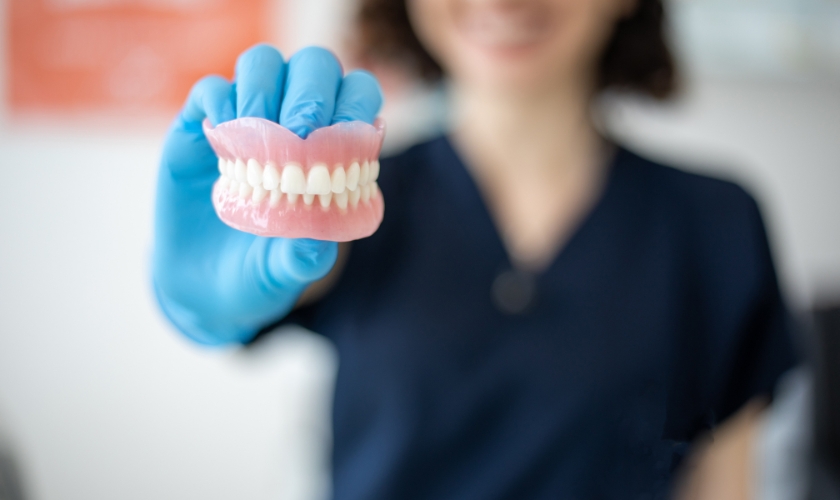
Are you tired of feeling self-conscious about missing teeth? Dental dentures offer a reliable solution to restore your smile and improve your oral health. In this comprehensive guide, we will explore the world of dental dentures, including their types, benefits, and essential care tips. Whether you’re considering dentures for the first time or looking to enhance your existing dentures, this article will provide you with valuable information to make informed decisions.
Types of Dental Dentures
Dental dentures are removable prosthetic devices designed to replace missing teeth and surrounding tissues. They consist of artificial teeth set in a supportive base that resembles the natural gum tissue. Dentures are custom-made to fit your mouth and can be a suitable solution for partial or complete tooth loss. Here are the types:
1. Full Dentures
Full dentures, also known as complete dentures, are used when all the natural teeth are missing. They consist of an acrylic base that sits on the gum ridge and a complete set of artificial teeth. Full dentures can be further classified into two types:
– Conventional Full Dentures: These are made and placed in your mouth after the remaining teeth have been removed, and the gums have healed. The process may take several weeks but ensures a precise fit.
– Immediate Full Dentures: As the name suggests, immediate dentures are prepared in advance and can be placed immediately after tooth extraction. While this eliminates the waiting period without teeth, immediate dentures require adjustments as the gums heal and shrink over time.
2. Partial Dentures
Partial dentures are used when some natural teeth remain in the mouth. They consist of replacement teeth attached to a metal or plastic framework, which connects to the natural teeth for stability. Partial dentures offer a functional and aesthetic solution for patients who have lost only a few teeth.
Benefits of Dental Dentures
Dental dentures offer numerous benefits, allowing you to enjoy a confident smile and improved oral health. Here are some key advantages of dentures:
1. Enhanced Appearance
Missing teeth can affect your facial structure and make you look older. Dentures can restore your natural smile, supporting the muscles and tissues in your face, and giving you a more youthful appearance.
2. Improved Speech
Tooth loss can impact your speech, causing slurring or mumbling. Dentures fill in the gaps, enabling you to speak clearly and confidently without any speech impediments.
3. Restored Chewing and Eating Abilities
Missing teeth can make it challenging to chew food properly, leading to digestion problems. Dentures allow you to enjoy your favorite foods by restoring your ability to bite and chew effectively.
4. Boosted Self-Confidence
Dental dentures can significantly improve your self-esteem and self-confidence. With a complete smile, you can interact socially without feeling embarrassed or conscious about your missing teeth.
5. Prevents Teeth Shifting
When there are gaps in your teeth, the remaining teeth tend to shift and move, causing alignment issues. Dentures fill those gaps, preventing teeth from shifting and maintaining proper dental alignment.
6. Easy to Maintain
Taking care of dentures is relatively simple. Regular brushing, rinsing, and soaking in denture cleansers can keep them clean and free from bacteria. Proper maintenance ensures the longevity of your dentures and helps you maintain good oral hygiene.
Caring for Your Dental Dentures
To ensure the longevity and effectiveness of your dental dentures, follow these essential care tips:
1. Handle with Care: When removing or cleaning your dentures, handle them over a soft towel or a basin filled with water to prevent accidental drops and damage.
2. Clean Regularly: Brush your dentures daily with a soft-bristle brush or a denture-specific brush to remove food particles, stains, and plaque. Rinse them thoroughly afterward.
3. Soak Overnight: Soaking your dentures in water or denture cleanser overnight can help keep them moist and prevent warping. Follow the manufacturer’s instructions for the appropriate soaking solution.
4. Oral Hygiene Matters: Even with dentures, maintaining good oral hygiene is essential. Clean your gums, tongue, and palate with a soft toothbrush or a damp cloth to remove bacteria and stimulate circulation.
5. Regular Dental Check-ups: Visit your dentist regularly for check-ups and adjustments. Your dentist can identify any issues with your dentures and ensure they fit properly for optimal comfort and functionality.
Conclusion
Dental dentures offer a transformative solution for individuals with missing teeth. By restoring your smile and improving your oral health, dentures can positively impact your overall well-being. Whether you opt for full dentures or partial dentures, the benefits are numerous. Remember to care for your dentures diligently and maintain good oral hygiene for long-lasting results. Rediscover your smile with dental dentures and embrace the confidence that comes with a complete set of teeth. Consult with your dentist to determine the best denture option for you and take the first step towards a brighter smile today!


Visit Smiles of Punta Gorda
We can see you as soon as tomorrow!