

Welcome to the Smiles of Punta Gorda blog! Today, we’re diving into a topic that often causes anxiety and fear for many people: root canal treatment. But fear not! We’re here to shed light on this common dental procedure and showcase its numerous benefits. Root canal treatment has come a long way in recent years, becoming more comfortable and effective than ever before. So sit back, relax, and let us take you through the ins and outs of root canal treatment at Smiles of Punta Gorda. By the end of this article, you’ll have a better understanding of why it’s an essential procedure that can save your smile!
What is a Root Canal?
A root canal, also known as endodontic therapy, is a dental procedure that aims to save and repair a severely damaged or infected tooth. It involves removing the infected pulp, which is the soft tissue inside the tooth’s root canal. This procedure is necessary when the pulp becomes inflamed or infected due to deep decay, repeated dental procedures on the same tooth, cracks or chips in the tooth, or trauma.
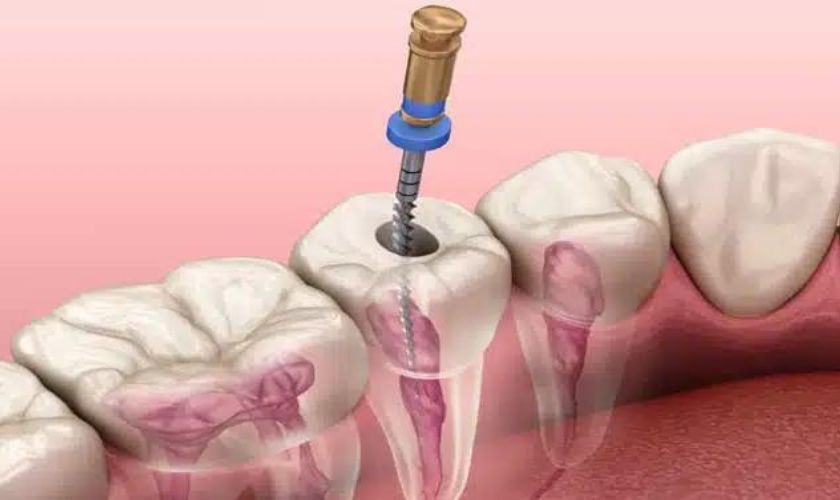
During a root canal treatment at Smiles of Punta Gorda, our skilled dentist will carefully remove the diseased pulp and clean out any bacteria or debris from inside the tooth. The empty space left behind is then filled with a special material called gutta-percha to seal off and protect the area. A crown or filling is placed over the treated tooth to restore its strength and functionality. While it may sound complex, rest assured that modern techniques and anesthesia make this process relatively comfortable for patients!
How is Root Canal Treatment Performed?
Root canal treatment is a common dental procedure performed to save a severely infected or damaged tooth. The process involves removing the infected pulp from the inside of the tooth and then cleaning and disinfecting the area before sealing it off.
During the procedure, your dentist will start by numbing the area around the affected tooth with local anesthesia to ensure you don’t feel any pain or discomfort. They will then create a small access hole in the tooth to reach the pulp chamber and root canals. Using specialized tools, they will carefully remove all infected tissue and clean out any debris or bacteria present. Once cleaned, they will shape and enlarge the canals before filling them with a rubber-like material called gutta-percha. A temporary filling is placed on top until a permanent restoration such as a crown is placed at a later appointment.
Performing root canal treatment requires skill and precision, which is why it’s crucial to seek care from an experienced dentist who specializes in endodontics—the branch of dentistry that focuses on treating diseases of the dental pulp. By addressing infections early on through root canal therapy, you can alleviate pain, preserve your natural tooth structure, prevent further complications, and restore oral health for years to come.
Recovery and Outlook after Root Canal Treatment
After undergoing a root canal treatment, it’s normal to experience some discomfort and sensitivity in the treated tooth for a few days. This is mainly due to inflammation of the surrounding tissues during the procedure. However, over-the-counter pain medications can help alleviate any post-treatment discomfort.
In terms of recovery outlook, most patients find that their symptoms improve significantly within a week or two after the root canal. The treated tooth should feel much better than before the procedure, as the infection has been eliminated and the damaged pulp removed. It’s important to note that every patient’s recovery process may vary slightly depending on individual factors such as overall health and dental hygiene habits.
What Happens During the Root Canal Process?
During the root canal process, your dentist will first numb the area around the affected tooth using local anesthesia to ensure you are comfortable throughout the procedure. They will then create a small access hole in the tooth’s surface to reach the infected or damaged pulp inside. The next step involves removing any inflamed or infected tissue and carefully cleaning and shaping the root canals using specialized tools. This helps eliminate bacteria and prevents further infection.
Once the canals are thoroughly cleaned, your dentist will fill them with a biocompatible material called gutta-percha and seal off the access hole with a temporary filling. In some cases, they may also place a dental crown on top of the treated tooth for added protection and strength. The entire process generally takes one or two appointments, depending on the complexity of your case.
Root canal treatment is performed by highly trained dentists who specialize in endodontics—the branch of dentistry focused on treating issues within teeth’ pulp chamber. It is important to note that during this procedure, you should not feel any pain as you’ll be numbed beforehand. Your dentist will guide you through each step of the process and address any concerns or questions you may have along the way
Root Canal Aftercare Tips
After undergoing a root canal treatment, it is crucial to follow proper aftercare tips to ensure a smooth recovery. Here are some essential guidelines to help you take care of your treated tooth:
1. Maintain good oral hygiene: Brush your teeth twice daily with a soft-bristle toothbrush and fluoride toothpaste. Floss gently around the treated area, making sure not to irritate or damage the tooth.
2. Avoid chewing on hard foods: For the first few days after the procedure, stick to softer foods that won’t put excessive pressure on the treated tooth. Opt for soups, mashed potatoes, yogurt, and other easy-to-chew options.
Remember that everyone’s recovery process may vary slightly based on their individual circumstances. However, following these general aftercare tips can significantly contribute to successful healing after root canal treatment.
What to Expect after a Root Canal
After undergoing a root canal treatment, it is normal to experience some discomfort and sensitivity in the treated tooth for a few days. This can be managed with over-the-counter pain medication as prescribed by your dentist. It’s important to note that each individual’s recovery may vary, but most people are able to resume their normal activities shortly after the procedure.
During the first few days following your root canal, you may also notice slight swelling or tenderness around the affected area. Applying an ice pack on your cheek for 10-15 minutes at a time can help reduce any swelling. Additionally, it is crucial to follow proper oral hygiene practices, such as brushing and flossing gently around the treated tooth to maintain good dental health during this healing period. Expect some mild discomfort initially but know that with proper care and attention, you will soon be back to enjoying a healthy smile!
Benefits of Root Canal Treatment in Smiles of Punta Gorda
Root canal treatment is a valuable dental procedure that offers numerous benefits for patients in Smiles of Punta Gorda. It helps to alleviate the intense pain and discomfort caused by an infected or damaged tooth. By removing the infected pulp and nerves from the tooth’s root canal, this treatment eliminates the source of pain and promotes healing.
Additionally, root canals save teeth from extraction. Preserving natural teeth not only maintains oral function but also prevents neighboring teeth from shifting out of alignment. This restoration allows individuals to chew, speak, and smile with confidence. Moreover, root canal treatment is cost-effective compared to alternative options like dental implants or bridges. In fact, undergoing a root canal can be more affordable in the long run as it preserves your natural tooth structure and avoids costly restorative procedures down the road. With these benefits in mind, choosing root canal treatment at Smiles of Punta Gorda becomes an attractive option for patients seeking optimal oral health and well-being.
Longevity of Root Canal Results
One of the key benefits of root canal treatment is its long-lasting results. Once a tooth has undergone a successful root canal, it can continue to function just like any other healthy tooth for many years to come. The longevity of root canal results largely depends on proper oral hygiene and regular dental check-ups.
With good oral care practices such as brushing twice a day, flossing daily, and using an antibacterial mouthwash, you can help maintain the health of your treated tooth. Additionally, attending regular dental visits allows your dentist to monitor the condition of the treated tooth and address any potential issues before they become major problems. By taking these steps, you can ensure that your root canal results stand the test of time and provide you with a functional and pain-free smile for years ahead.
Conclusion
Root canal treatment is a highly beneficial and safe procedure offered at Smiles of Punta Gorda. It effectively treats infected or damaged teeth, relieving pain and saving your natural tooth from extraction. With modern techniques and advancements in dental technology, root canals have become less invasive and more comfortable for patients.
The benefits of root canal treatment include eliminating toothaches, preventing further infection or damage to surrounding teeth and tissues, restoring the function of your natural tooth, and maintaining a beautiful smile. By undergoing this procedure at Smiles of Punta Gorda, you can expect experienced dentists who prioritize your comfort throughout the process.



Visit Smiles of Punta Gorda
We can see you as soon as tomorrow!