

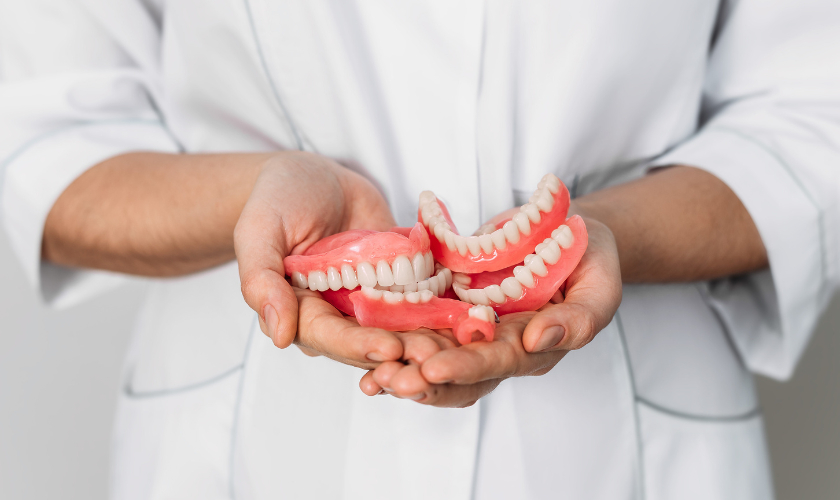
Did you know that one in three Americans over the age of 65 have some form of dentures? Despite their ubiquity, many people are unaware of the range of different types available, and the pros and cons of each. In this blog post, we will explore the various types of dentures available, how they differ from each other, and how to choose the right type for you. By exploring topics such as materials used, cost and maintenance requirements, you can be sure to find a set that suits your needs. Read on to learn more!
What are dentures?
Dentures are a type of dental prosthetic that are used to replace missing teeth. They can be either partial or full dentures, depending on how many teeth are missing. Dentures are typically made out of plastic or porcelain, and they are held in place by adhesive or clips. Dentures can be a great way to restore your smile if you have lost some or all of your natural teeth.
Different types of dentures
There are several different types of dentures available on the market today. Each type has its own set of benefits and drawbacks that you should be aware of before making a decision.
The most common type of denture is the full denture. This type of denture replaces all of the teeth in either the upper or lower jaw, or both. Full dentures are held in place by suction and friction, and they can be removed for cleaning. They can be made from a variety of materials, including acrylic, porcelain, and metal.
Another type of denture is the partial denture. Partial dentures are used to replace one or more missing teeth. They are usually made from acrylic or metal, and they attach to the remaining natural teeth with clasps or brackets. Partial dentures can be removable or fixed in place.
If you have a few remaining natural teeth, you may want to consider dental implants to support your new dentures. Dental implants are titanium posts that are surgically placed into the jawbone to act as artificial roots for replacement teeth. Implants can support either full or partial dentures, and they provide a more stable fit than traditional dentures.
Pros and cons of dentures
Although dentures have been around for centuries, they have come a long way in terms of both function and aesthetics. Today’s dentures are better than ever at replicating the look and feel of natural teeth. But like anything else, there are pros and cons to consider before you make the decision to get dentures.
On the plus side, dentures can give you back your smile and help you chew and speak more effectively. They are also relatively affordable and easy to care for. On the downside, dentures can be uncomfortable and take some getting used to. They also need to be replaced every 5 to 7 years on average, which can add up over time.
So, what’s the bottom line? Dentures may not be perfect, but they can be a great solution for many people who are missing one or more teeth. If you’re considering dentures, be sure to talk to your dentist about all the pros and cons so you can make an informed decision.
Conclusion
Dentures are a great way to restore your smile and confidence, as well as your ability to chew and speak properly. With so many different types of dentures available, it’s important to choose the right type for you. We hope this article has given you insight into the various types of dentures so that you can make the most informed decision possible. If you need further guidance on selecting and fitting dentures, please contact your dentist for professional advice.
Common Questions
Dentures are a removable replacement for missing teeth and the tissues surrounding them. They are custom-made to fit snugly over your gums. Dentures can be made to replace all of your teeth (full denture) or just some of them (partial denture).
The average lifespan of a complete set of dentures is about 7 to 10 years. However, this will vary depending on how well you take care of them and how often you wear them. Partial dentures usually last longer than full dentures since they have fewer moving parts and don’t put as much pressure on your gums.
Yes, you can eat with your dentures, but it may take some time to get used to chewing with them. Start by eating soft foods that are easy to chew before progressing to harder foods. Be sure to cut your food into small pieces so that you


Visit Smiles of Punta Gorda
We can see you as soon as tomorrow!