
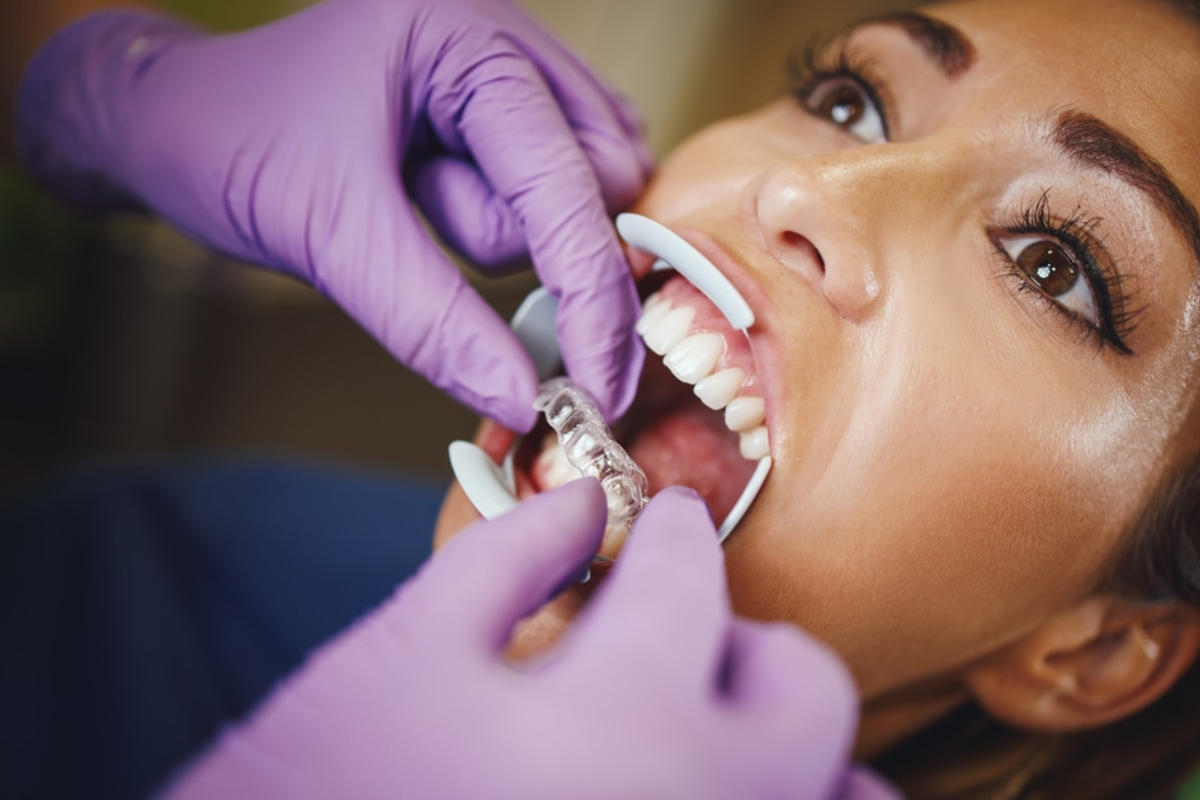
When it comes to achieving a straighter smile, Invisalign has transformed the way many people think about orthodontic treatment. Clear, comfortable, and nearly invisible, Invisalign has become a popular option for teens and adults alike who are seeking an alternative to traditional braces. But beyond its cosmetic appeal, many wonder: What dental issues can Invisalign fix?
If you’re considering Invisalign, understanding the range of orthodontic problems it can treat is key to deciding whether it’s the right choice for your smile.
Crooked or Misaligned Teeth
Crooked teeth are one of the most common reasons patients seek Invisalign. Whether your teeth overlap, twist, or simply aren’t in proper alignment, Invisalign can apply gentle, consistent pressure to gradually shift them into the correct position. Straighter teeth not only enhance your smile’s appearance but also make daily oral hygiene more effective, helping reduce the risk of cavities and gum disease. If you’re considering Invisalign, it’s a reliable solution for correcting crooked teeth without the hassle of metal braces offering comfort, convenience, and discreet treatment.Overbite
An overbite occurs when the upper front teeth excessively overlap the lower front teeth. While a slight overbite is normal, a more pronounced one can lead to jaw pain, speech difficulties, and wear on the lower teeth. Invisalign trays are custom-designed to gradually shift the teeth and align the bite properly, reducing the pressure on the jaw and preventing long-term dental complications.Underbite
An underbite is when the lower front teeth extend past the upper front teeth. This misalignment can interfere with chewing, cause speech problems, and put strain on the jaw joints. Invisalign can often be used to correct mild to moderate underbites by guiding the lower teeth into a more ideal position. In more complex cases, it may be part of a comprehensive treatment plan.Crossbite
A crossbite happens when some of the upper teeth sit inside the lower teeth instead of outside. This can occur on either the front or back teeth and may lead to uneven wear, gum recession, or even chipped teeth. Invisalign helps correct crossbites by gradually moving the teeth into proper alignment, improving both function and appearance.Open Bite
An open bite means the upper and lower teeth do not touch when the mouth is closed, often leaving a noticeable gap. This can make biting into foods like sandwiches or apples difficult and may affect speech. Invisalign aligners can reposition the teeth vertically to close this gap, restoring a more natural bite.Gapped Teeth
Whether due to genetics, missing teeth, or habits like thumb-sucking, gaps between teeth can impact more than just appearance. Food particles can easily get trapped, leading to plaque buildup and an increased risk of gum disease. Invisalign effectively closes these spaces, bringing the teeth closer together and promoting better oral health.Crowded Teeth
Crowding occurs when there isn’t enough space in the mouth for teeth to align properly, causing them to overlap or twist. Not only does this affect how your smile looks, but it also makes brushing and flossing difficult, increasing the risk of decay. Invisalign aligners can gently guide crowded teeth into better alignment, creating a healthier, easier-to-clean smile.
Why Invisalign Works So Well
Invisalign’s effectiveness lies in its ability to deliver controlled, gradual movements using a series of clear, custom-made aligners. Each set of trays is designed specifically for your teeth and is replaced every one to two weeks to continue guiding your teeth toward the desired position.
For patients seeking Invisalign in Punta Gorda, choosing a dental team with experience in clear aligner therapy is crucial. A skilled provider will assess your specific dental needs and design a treatment plan tailored to your smile goals.
When Invisalign May Not Be Enough
While Invisalign is highly effective for many common orthodontic problems, it may not be suitable for every case. Severe bite issues, significant jaw misalignments, or complex tooth movements may require traditional braces or a combined approach. That’s why a thorough evaluation with a qualified dentist or orthodontist is essential before starting treatment.
Invisalign and Long-Term Dental Health
Beyond aesthetics, Invisalign supports long-term dental health. By correcting misalignments and bite problems, it helps reduce the risk of jaw strain, enamel wear, and periodontal issues. A well-aligned bite ensures even pressure distribution, minimizing the risk of damage to teeth and supporting a more functional, healthier mouth overall.
Final Thoughts
IInvisalign isn’t just about achieving a straighter smile—it’s about improving function, comfort, confidence, and long-term oral health. From crowded teeth and overbites to crossbites and gaps, Invisalign offers an effective and discreet solution for many common orthodontic concerns. If you’re considering Invisalign in Punta Gorda, partnering with an experienced dental team can make all the difference in achieving the beautiful, healthy smile you deserve.
At Smiles of Punta Gorda, we are committed to helping patients transform their smiles through personalized Invisalign treatment plans tailored to their unique needs and goals. Our team combines advanced dental technology, extensive experience, and compassionate care to deliver comfortable treatment and exceptional results. Whether you’re looking to improve your smile’s appearance, bite alignment, or overall oral health, we are here to guide you every step of the way. Contact us today to schedule your consultation and take the first step toward a more confident, radiant smile.


Visit Smiles of Punta Gorda
We can see you as soon as tomorrow!