


Maintaining a consistent and effective tooth care routine is essential for preserving your dental health and preventing oral health issues. The right routine not only keeps your teeth and gums in top shape but also reduces the risk of cavities, gum disease, and other dental problems. In this blog, we’ll explore the best practices for tooth care, highlighting the importance of daily habits, regular checkups, and professional advice from your local dentist.
The Foundation of a Healthy Tooth Care Routine
To achieve optimal dental health, it’s crucial to establish a strong foundation with daily habits that support the well-being of your teeth and gums.
Brushing: The Cornerstone of Oral Health
Brushing your teeth is the most fundamental step in any tooth care routine. It helps remove plaque and prevent tooth decay and gum disease. Here’s how to brush effectively:
- Frequency: Brush your teeth at least twice a day—once in the morning and once before bed.
- Technique: Use a soft-bristled toothbrush and fluoride toothpaste. Hold the brush at a 45-degree angle to your gums and use gentle, circular motions to clean all surfaces of your teeth.
- Duration: Brush for at least two minutes each time. Make sure to cover the front, back, and chewing surfaces of your teeth.
Flossing: An Essential Step for Complete Care
While brushing is critical, it doesn’t reach the spaces between your teeth. This is where flossing comes in:
- Frequency: Floss at least once a day, preferably before bedtime.
- Technique: Use about 18 inches of floss, winding most of it around your middle fingers. Gently slide the floss between your teeth and curve it around each tooth in a C shape. Avoid snapping the floss into your gums, as this can cause damage.
Mouthwash: An Extra Layer of Protection
Mouthwash can enhance your oral health routine by reaching areas that brushing and flossing might miss:
- Type: Choose a mouthwash that has the American Dental Association (ADA) Seal of Acceptance. Look for products that contain fluoride or antibacterial agents.
- Usage: Use mouthwash after brushing and flossing, following the instructions on the bottle. This usually involves swishing the liquid around your mouth for 30 seconds to one minute.
The Role of Diet in Tooth Care
What you eat plays a significant role in your dental health. A balanced diet not only supports overall health but also contributes to strong, healthy teeth.
Foods That Support Dental Health
Incorporate these foods into your diet for better oral health:
- Fruits and Vegetables: Crisp fruits and veggies like apples, carrots, and celery help clean your teeth naturally and stimulate saliva production, which helps neutralize acids.
- Dairy Products: Cheese, yogurt, and milk are rich in calcium and phosphates, which strengthen tooth enamel and bone health.
- Nuts and Seeds: Almonds and chia seeds are good sources of calcium and other nutrients that support dental health.
Foods to Limit
Certain foods can negatively impact your oral health:
- Sugary Snacks: Candy, soda, and pastries can lead to tooth decay and cavities. Sugar feeds bacteria in your mouth, which produces acids that erode enamel.
- Acidic Foods and Drinks: Citrus fruits, tomatoes, and coffee can wear down enamel over time. Rinse your mouth with water after consuming acidic foods to help neutralize acids.
The Importance of Regular Dental Checkups
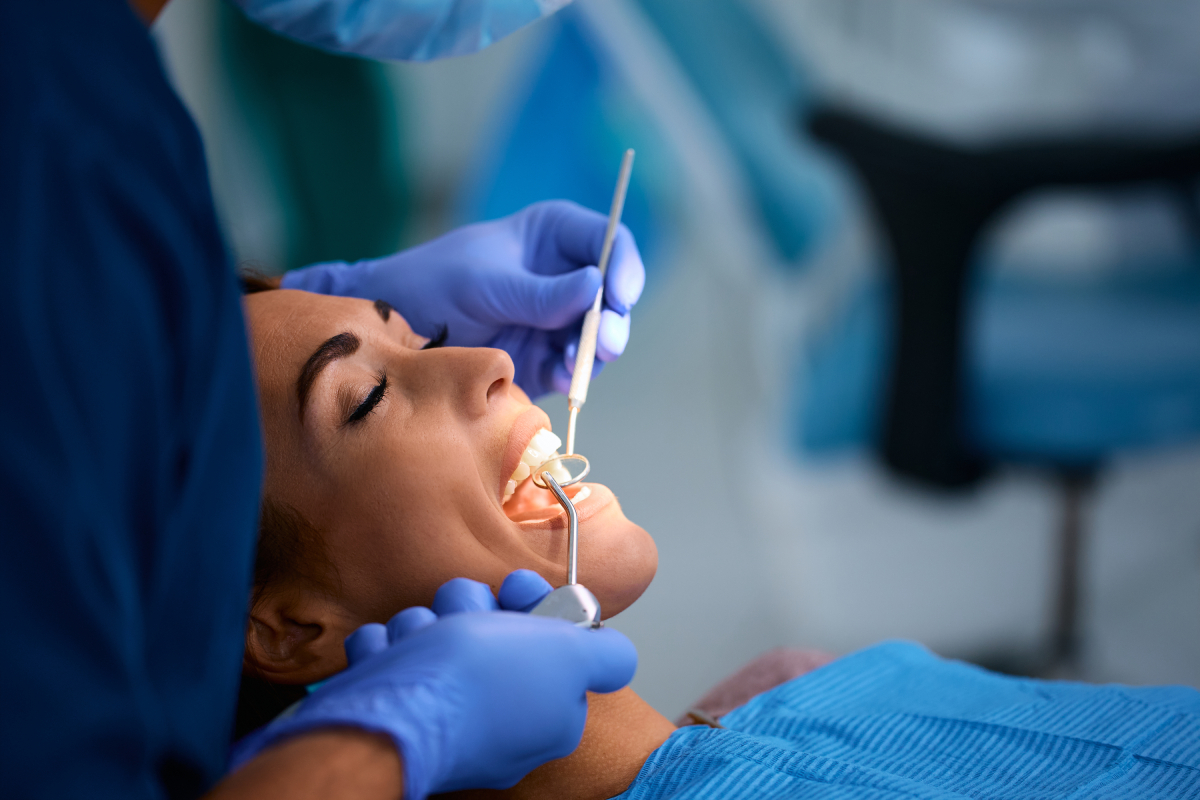
Even with a diligent at-home care routine, regular visits to the dentist are crucial for maintaining your oral health. A dental checkup allows your dentist to identify and address issues that you might not notice on your own.
What to Expect During a Dental Checkup
During your dental checkup, your dentist will:
- Examine Your Teeth and Gums: Look for signs of decay, gum disease, or other issues.
- Clean Your Teeth: Perform a professional cleaning to remove plaque and tartar buildup that regular brushing and flossing might miss.
- Take X-rays: If necessary, take X-rays to check for underlying problems like cavities between teeth or issues with the roots.
Frequency of Dental Checkups
It is generally recommended to have a dental checkup every six months. However, your dentist may suggest more frequent visits based on your specific needs and oral health condition.
Personalized Advice from Your Local Dentist
Each person’s dental health needs are unique. Your local dentist can provide personalized advice tailored to your oral health needs. They can help you:
- Create a Customized Care Plan: Based on your dental health, your dentist can recommend specific products or techniques to improve your routine.
- Address Specific Concerns: If you have issues like sensitivity, gum disease, or orthodontic needs, your dentist can offer targeted solutions.
A comprehensive tooth care routine combines daily habits, a balanced diet, and regular dental checkups. By following these guidelines, you can maintain excellent dental health and prevent a range of oral health issues. Remember to brush and floss regularly, eat a nutritious diet, and visit your local dentist for professional advice and checkups. Taking these steps will help ensure your smile remains bright and healthy for years to come.


Visit Smiles of Punta Gorda
We can see you as soon as tomorrow!