


Bad breath, or halitosis, is something many people experience at some point in their lives. It can be embarrassing and even affect your self-confidence in social situations. The good news is that bad breath is often preventable and manageable with the right strategies. Here are some essential tips for managing bad breath, ensuring that your breath stays fresh and your confidence remains intact.
1. Practice Good Oral Hygiene
One of the most effective ways to prevent bad breath is by maintaining a thorough and consistent oral hygiene routine. Plaque buildup and food particles in your mouth are the primary culprits of bad breath.
Brush Your Teeth Regularly
Brush your teeth at least twice a day, especially after meals. Use fluoride toothpaste and ensure you brush for at least two minutes. Pay special attention to the back of your tongue, as bacteria tend to accumulate there, contributing to bad breath.
Don’t Forget the Floss
Flossing is crucial for removing food particles and plaque between your teeth, areas your toothbrush can’t reach. Incorporate flossing into your daily routine to reduce the risk of bad breath caused by trapped food.
Use a Mouthwash
Mouthwash helps kill bacteria, freshens breath, and provides long-lasting protection against foul odors. Choose an antimicrobial mouthwash to combat bacteria in your mouth, or opt for a mouthwash specifically designed to treat bad breath.
2. Stay Hydrated
Dry mouth, or xerostomia, can significantly contribute to bad breath. Saliva plays a crucial role in washing away food particles and bacteria. When your mouth becomes dry, there’s less saliva to perform this function, which can result in bad breath.
Drink Plenty of Water
Make sure to drink water throughout the day to stay hydrated and promote healthy saliva production. Carry a water bottle with you to ensure you have access to water whenever you need it.
Avoid Dehydrating Beverages
Beverages like coffee and alcohol can cause dry mouth. While these drinks are often enjoyable, they may leave you with bad breath. Try to balance their consumption with plenty of water to prevent dehydration.
3. Watch What You Eat
Your diet can play a significant role in your breathing. Some foods, particularly those with strong odors, can linger in your mouth and contribute to bad breath. Here’s how to adjust your eating habits to maintain fresh breath.
Avoid Foods That Cause Strong Odors
Certain foods like garlic, onions, and spicy dishes can cause your breath to smell. Although these foods are delicious, they contain sulfur compounds that are released into your bloodstream and expelled through your lungs, creating bad breath. Try to limit their consumption or avoid them before important events.
Opt for Breath-Freshening Foods
Some foods can help freshen your breath naturally. For instance, crunchy vegetables like carrots, celery, and apples can help clean your teeth and stimulate saliva production. Parsley, mint, and fennel are also great options, as they can help neutralize odors.
4. Quit Smoking
Smoking is one of the leading causes of bad breath. Tobacco products can dry out your mouth, leaving you with a foul odor. Additionally, smoking can contribute to gum disease, which is another potential cause of bad breath.
The Benefits of Quitting
If you smoke, quitting is one of the best things you can do for your breath and overall health. Not only will your breath improve, but you’ll also lower your risk of gum disease, oral cancer, and other health issues related to tobacco use.
5. Keep Your Dentures Clean
If you wear dentures, it’s essential to keep them clean to prevent bad breath. Food particles and bacteria can accumulate on your dentures, leading to unpleasant odors.
Clean Dentures Properly
Remove your dentures at night and soak them in a denture cleaning solution. Clean them thoroughly with a soft brush before re-inserting them into your mouth. This routine will help prevent bad breath caused by bacteria buildup.
6. Regular Dental Checkups
Maintaining good oral hygiene at home is essential, but regular visits to the dentist are equally important for fresh breath.
Schedule Professional Cleanings
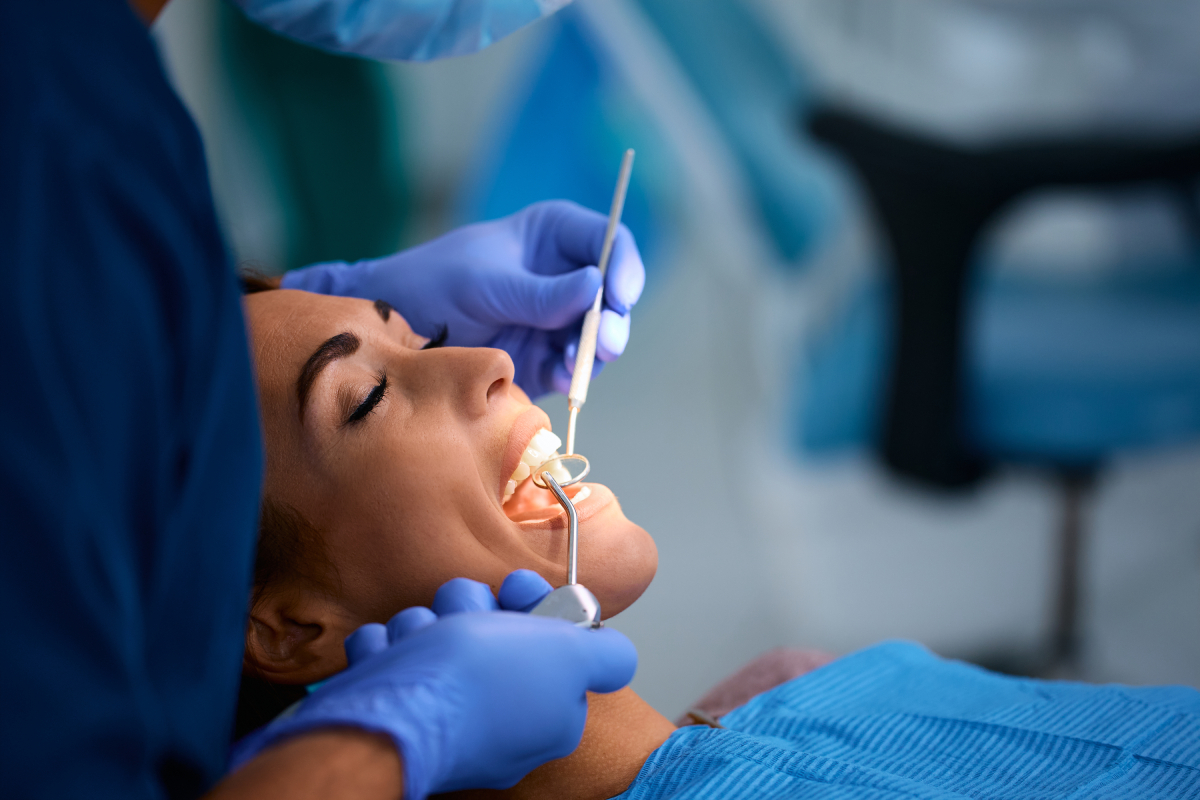
Even with a thorough at-home oral care routine, plaque and tartar can build up over time. Professional dental cleanings can help remove these deposits and reduce bad breath. Your dentist can also identify and treat any underlying issues, such as gum disease or cavities, that may be contributing to bad breath.
Discuss Your Bad Breath Concerns
If you’ve been struggling with bad breath despite your best efforts, talk to your dentist. They can help pinpoint the cause and recommend appropriate treatments. In some cases, persistent bad breath may be linked to underlying health conditions, such as gastrointestinal issues or respiratory infections.
7. Consider Mouth Sprays or Mints
If you need a quick fix for bad breath, consider using mouth sprays or sugar-free mints. While these won’t address the underlying causes of bad breath, they can provide temporary relief and help freshen your breath in social situations.
Look for Sugar-Free Options
When choosing mints or gum, opt for sugar-free varieties to avoid contributing to plaque buildup and cavities. Some sugar-free mints even contain ingredients like xylitol, which can help prevent bacteria growth in your mouth.
8. Manage Medical Conditions
In some cases, bad breath may be caused by an underlying medical condition, such as:
- Gum disease: Infections or inflammation of the gums can cause bad breath.
- Sinus infections: Sinus issues can cause post-nasal drip, leading to bad breath.
- Diabetes: Uncontrolled diabetes can cause a distinctive fruity smell in the breath.
- Gastrointestinal problems: Digestive issues like acid reflux or gastrointestinal infections can contribute to bad breath.
Seek Medical Help if Necessary
If you suspect a medical condition is causing your bad breath, consult your doctor. Treating the underlying health issue can help resolve bad breath and improve your overall well-being.
Conclusion
Managing bad breath doesn’t have to be difficult. By maintaining good oral hygiene, staying hydrated, eating the right foods, and addressing any underlying medical conditions, you can keep your breath fresh and enjoy greater confidence. Regular dental visits and a proactive approach to your oral health will go a long way in ensuring that your breath stays pleasant for years to come.


Visit Smiles of Punta Gorda
We can see you as soon as tomorrow!