

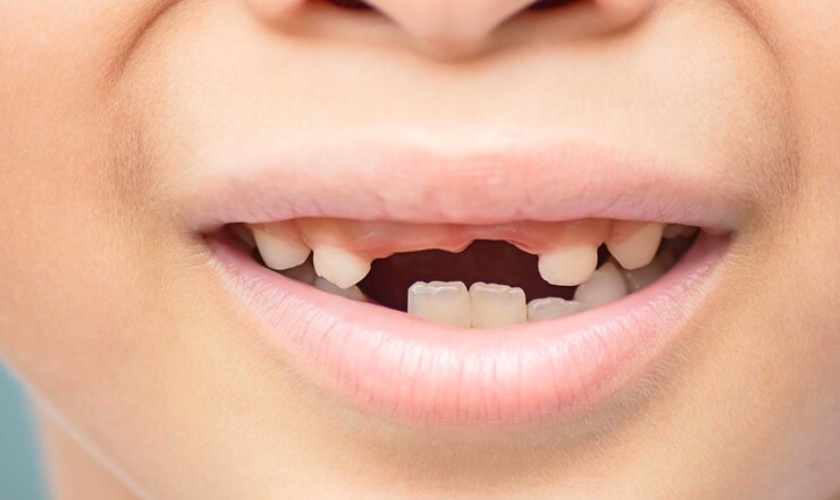
Dental bonding is a versatile and effective cosmetic dental procedure that can restore the appearance of chipped, cracked, or discolored teeth. It involves the application of a tooth-colored resin material to the affected tooth, which is then hardened and bonded to the tooth surface using a special light. This procedure is relatively quick and can often be completed in just one visit to your dentist’s office.
Understanding Dental Bonding
Dental bonding is commonly used to:
- Repair Chipped or Cracked Teeth: If you have a small chip or crack in your tooth, dental bonding can be used to fill in the damaged area and restore the tooth’s shape and appearance.
- Cover Discolored Teeth: Teeth that are stained or discolored and resistant to traditional whitening treatments can be improved with dental bonding. The resin material can be matched to the shade of your natural teeth, blending seamlessly for a natural look.
- Close Gaps Between Teeth: Dental bonding can also be used to close small gaps or spaces between teeth, improving the overall alignment and symmetry of your smile.
The Dental Bonding Procedure
- Consultation: Your dentist will first examine your teeth and discuss your goals to determine if dental bonding is the right option for you.
- Preparation: Minimal preparation is required for dental bonding. Your dentist will choose a shade of resin that matches your natural teeth.
- Bonding Process: The surface of the tooth will be roughened slightly and a conditioning liquid applied to help the bonding material adhere. The putty-like resin is then applied, molded, and smoothed to the desired shape.
- Curing: A special ultraviolet light or laser is used to harden the resin. Once hardened, your dentist will further trim and shape the material as needed.
- Final Touches: After the resin has been shaped and hardened, your dentist will polish it to match the sheen of the rest of your tooth surface, ensuring a smooth and natural appearance.
Benefits of Dental Bonding
- Quick and Painless: Dental bonding is typically painless and can often be completed in a single visit, making it a convenient option for many patients.
- Cost-Effective: Compared to other cosmetic dental procedures like veneers or crowns, dental bonding is generally more affordable.
- Conservative Treatment: Unlike crowns or veneers, which require more tooth preparation, dental bonding preserves more of your natural tooth structure.
- Versatile and Aesthetic: The resin material used in dental bonding can be customized to match the color and translucency of your natural teeth, providing a seamless and natural-looking result.
Aftercare Tips
- Good Oral Hygiene: Maintain regular brushing, flossing, and dental check-ups to keep your bonded teeth healthy and free from decay.
- Avoid Staining Substances: While the resin used in dental bonding is resistant to staining, it’s advisable to minimize exposure to foods and drinks that may discolor teeth.
- Protect Your Bonded Teeth: Avoid biting on hard objects or using your teeth as tools to prevent chipping or damage to the bonded area.
Conclusion
Dental bonding offers a simple yet effective solution for repairing minor imperfections in your teeth, enhancing both the aesthetics and functionality of your smile. If you have chipped, cracked, or discolored teeth, consider scheduling a consultation with your dentist to discuss whether dental bonding is right for you. With proper care, dental bonding can provide long-lasting results and help you achieve the smile you’ve always wanted.
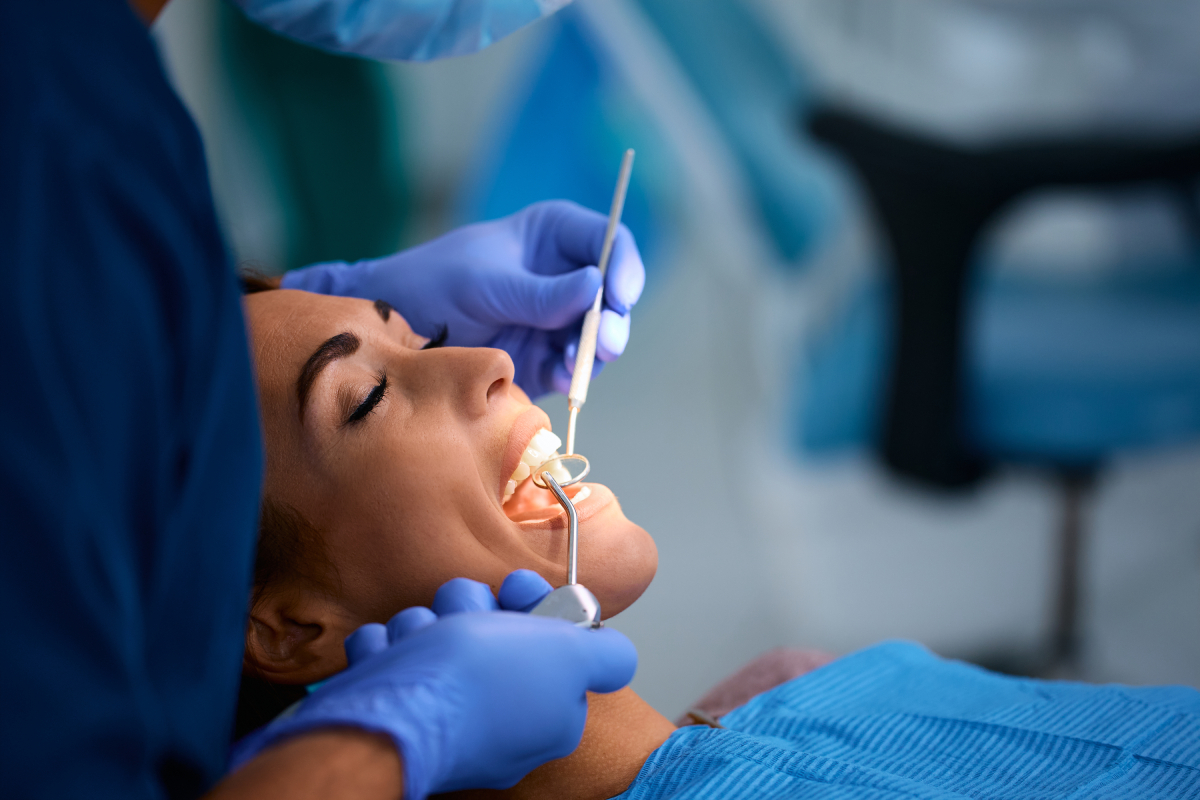


Visit Smiles of Punta Gorda
We can see you as soon as tomorrow!