


Thinking about whitening your teeth but worried it might weaken them? You’re not alone! It’s a common question, and it’s completely understandable to be concerned about your teeth’s health while trying to achieve a brighter smile.
In 2020, 37 million Americans used teeth whiteners, according to a Statista report. But does whitening actually weaken your teeth or cause damage? Let’s break it down so you can make the right choice.
By the end of this blog, you’ll know exactly what whitening does to your teeth, the possible risks, and how to do it safely.
What is Teeth Whitening?
Before we get into the details of whether whitening can damage your teeth, let’s talk about what it actually is. Teeth whitening is a cosmetic treatment that helps lighten the color of your teeth by removing stains.
Stains can come from food, drinks (like coffee or wine), or even from aging. There are two main types of teeth whitening:
- In-office Professional Whitening:
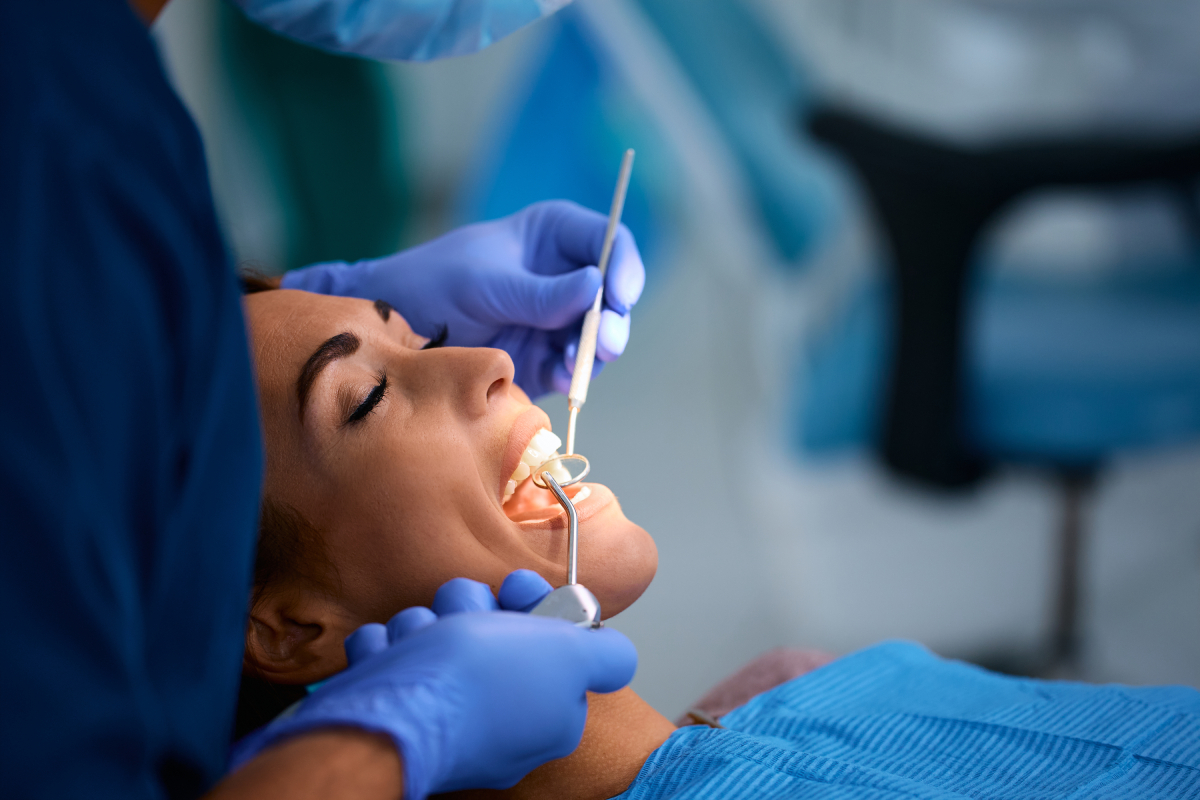
This is done by your dentist. It uses stronger whitening agents and gives you quick results.
- At-home Whitening Products:
These include things like strips, gels, or toothpaste you can buy over the counter. They take longer to show results but are more budget-friendly.
Now that we know what teeth whitening is, let’s talk about whether it can weaken your teeth.
Does Teeth Whitening Weaken Your Teeth?
The short answer is: No, teeth whitening won’t weaken your teeth if done correctly. Professional treatments are safe and designed to brighten your smile without causing harm.
Here’s how it works:
Teeth whitening products use ingredients like hydrogen peroxide to remove stains and make your teeth brighter. These ingredients work on the enamel but don’t cause permanent damage. Your teeth may feel sensitive for a while, but they’ll return to normal soon.
Can Teeth Whitening Cause Sensitivity?
One of the most common side effects of teeth whitening is sensitivity. After whitening, your teeth might feel a bit uncomfortable, especially when eating or drinking hot or cold things.
This happens because the whitening agents temporarily open up the pores in your enamel. But don’t worry—tooth sensitivity is temporary. It usually goes away within a few days after the whitening treatment.
Are There Any Risks with Teeth Whitening?
Teeth whitening is safe for most people, but it’s important to use products correctly. Overusing them or not following instructions can lead to some risks.
Here’s what you need to keep in mind:
- Overuse of Whitening Products
If you use whitening products too often, it can lead to enamel erosion, which weakens your teeth.
That’s why it’s important to follow the directions and not whiten your teeth more than recommended.
- Gum Irritation
Sometimes, whitening products can cause irritation if they come into contact with your gums. This is more likely to happen with at-home whitening products.
But don’t worry—gum irritation is usually temporary and goes away once you stop using the product.
- Uneven Results
Whitening works best on natural teeth. If you have dental work like crowns or veneers, whitening may not affect them the same way.
This could lead to uneven results, so be aware of that if you have restorative dental work.
Why Teeth Whitening is Still a Good Option
Despite the potential risks, teeth whitening is generally safe and effective when done properly.
Here are some benefits of whitening your teeth:
- Boosts Your Confidence:
A bright, white smile can make you feel more confident in social or professional situations. - Quick Results:
Professional treatments give fast, noticeable results. At-home products take a little longer but are still effective. - Safe and Customizable:
Whether you choose a professional treatment or an at-home option, you can find a whitening method that fits your needs and preferences.
How to Whiten Your Teeth Safely
To get the best whitening results and protect your teeth, follow these simple tips:
- Talk to Your Dentist
If you have sensitive teeth or other dental issues, it’s a good idea to check with your dentist before whitening. They can help you choose the right treatment for your teeth. - Don’t Overdo It
Stick to the recommended usage of whitening products. Overuse can lead to tooth sensitivity or even damage to your enamel. - Limit Staining Foods After Whitening
After whitening, try to avoid food and drinks that can stain your teeth, like coffee, tea, and red wine. This helps your results last longer. - Keep Up with Good Oral Hygiene
Regular brushing and flossing help maintain your bright smile and prevent new stains from forming.
Debunking Teeth Whitening Myths
There are a lot of myths out there about teeth whitening. Let’s set the record straight:
- Myth 1: Whitening Weakens Teeth
Whitening doesn’t weaken your teeth for a long time. Sensitivity may occur, but it’s temporary, and your teeth will recover soon. - Myth 2: All Whitening Products Are Safe
Teeth whitening can be safe, but not all products are the same. Professional treatments are usually safer and more effective, especially for sensitive teeth. - Myth 3: Whitening Works on All Teeth
Whitening works best on natural teeth. It might not work as well on crowns, veneers, or fillings, so be aware of that if you have dental restorations.
Conclusion
Teeth whitening is a safe and simple way to enhance your smile when done properly, with results that far outweigh the risks. It’s a quick, effective treatment that can make a big difference in how you feel about your smile.
Ready to brighten your smile? Let’s work together to find the best Teeth Whitening in Punta Gorda, Florida! Call us at 941-575-2626 to book your appointment and get the results you’ve always wanted.
At Smiles of Punta Gorda, we’ll make the whitening process simple and safe, helping you achieve a brighter, more confident look.
FAQs About Teeth Whitening and Tooth Health
Q1: Does teeth whitening cause long-term damage to my teeth?
No, teeth whitening doesn’t cause long-term damage when used properly. It’s safe as long as you follow instructions.
Q2: Why do my teeth feel sensitive after whitening?
Sensitivity is a normal and temporary side effect. It happens because whitening agents open up the pores in your enamel, but it fades after a few days.
Q3: How often can I safely whiten my teeth?
Most people can whiten their teeth every 6 months with professional treatments. For at-home products, follow the manufacturer’s instructions carefully to avoid overuse.
Q4: Is professional whitening better than at-home treatments?
Yes, professional whitening is usually more effective and safer because it’s done under the supervision of a dentist.
Q5: Can teeth whitening remove all stains?
Teeth whitening works best on surface stains, but it might not be effective on deeper stains caused by medication or tooth damage.


Visit Smiles of Punta Gorda
We can see you as soon as tomorrow!