

Dental emergencies can happen at any time and can be quite scary. Whether it’s a broken tooth, severe toothache, or bleeding gums, dental emergencies require immediate attention to prevent further damage and relieve pain. Knowing how to handle a dental emergency is crucial for your oral health and overall well-being. In this comprehensive guide, we’ll walk you through the different types of dental emergencies and provide you with practical tips on how to handle them effectively. So let’s dive in!
What is a Dental Emergency?
A dental emergency is any situation that requires immediate attention from a dentist to alleviate pain, stop bleeding or prevent further damage. Dental emergencies can occur as a result of trauma, infection, or other issues related to oral health.
Some common examples of dental emergencies include severe toothaches, broken teeth, knocked-out teeth, and severe gum swelling. These situations require prompt action to avoid complications like infections or permanent tooth loss.
It’s important to note that not all dental problems are considered emergencies. For example, mild tooth sensitivity or minor chips may not warrant immediate treatment from a dentist. That being said if you’re ever unsure whether your symptoms qualify as an emergency, don’t hesitate to contact your dentist for advice.
It’s better safe than sorry when it comes to dental emergencies – getting prompt care can make all the difference in preserving your oral health and avoiding long-term complications.
Different Types of Dental Emergencies
Dental emergencies come in many different forms and can cause a lot of pain and discomfort. Here are some of the most common types of dental emergencies:
1. Toothaches: A toothache is often caused by an infection or decay in the tooth, which can lead to severe pain and sensitivity.
2. Lost or broken teeth: This can happen due to accidents or trauma, resulting in a chipped, cracked, or completely missing tooth.
3. Abscesses: An abscess is an infection that occurs at the root of a tooth, causing swelling and extreme pain.
4. Broken braces or wires: Braces are designed to stay put for months on end but if something goes wrong with them then it could be classed as an emergency situation.
5. Gum injuries: Injuries to your gums may also occur during sports activities where there is contact between players such as basketball games.
No matter what type of dental emergency you’re experiencing, it’s important to seek treatment from a qualified dentist right away in order to prevent further damage or complications down the road!
How to Handle a Dental Emergency
A dental emergency can be a scary and painful experience. Whether it’s a toothache, broken tooth, or knocked-out tooth, it’s important to handle the situation calmly and quickly. Here are some tips on how to handle a dental emergency.
The first step is to assess the severity of the injury. If there is severe bleeding or swelling, head straight to an emergency room instead of a dentist’s office. Calling your dentist as soon as possible can be helpful in getting immediate guidance on what you need to do next.
If you have lost one or more teeth due to trauma, try locating them if possible and keep them moist in milk until you get professional help from your dentist who may be able to reinsert them into their sockets.
Cracked or chipped teeth that aren’t causing pain but don’t feel right when biting down normally requires treatment by a general dentist within 48 hours of the incident occurring for the best results
In instances where there is moderate-to-severe pain because of issues like an abscessed tooth or inflamed gums require promptly seeking care from an experienced dental professional such as an endodontist who specializes in root canal therapy procedures
Remember that time is key when dealing with any type of dental emergency so take action immediately. The sooner you seek treatment after experiencing any kind of problem related to oral health; the chances are higher for good outcomes!
When to See a Dentist for a Dental Emergency
When it comes to dental emergencies, knowing when to see a dentist is crucial. While some dental issues can be treated at home, others require immediate professional attention.
If you are experiencing severe pain or discomfort in your teeth or gums, it’s important to contact your dentist right away. They will be able to evaluate the severity of your issue and provide appropriate treatment.
Additionally, if you have experienced trauma to your mouth such as a knocked-out tooth or broken jaw, seeking emergency dental care should be a top priority. Delaying treatment for these types of injuries can lead to more serious complications down the road.
It’s also important to note that any signs of infection in the mouth should be addressed by a dentist as soon as possible. This includes symptoms such as swelling, fever, and pus discharge from an infected tooth or gum area.
If you are unsure whether or not your dental issue requires emergency care, it’s always better to err on the side of caution and seek professional advice from a qualified dentist.
Conclusion
Dental emergencies can be a scary and painful experience, but with the right knowledge and preparation, you can handle them smoothly. Remember that prevention is always better than cure, so make sure to prioritize your dental health by maintaining regular visits to your dentist. In case of an emergency, stay calm and follow the steps outlined in this guide.
It’s important to note that not all dental emergencies are the same – some require urgent attention from a professional while others may be treated at home. Always assess the situation carefully before taking any action.



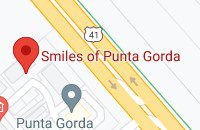
Visit Smiles of Punta Gorda
We can see you as soon as tomorrow!