
Medications play an important role in managing health conditions, easing symptoms, and supporting recovery. However, some prescription and over the counter medicines can also affect the mouth.
Changes such as dry mouth, altered taste, gum swelling, or a higher risk of tooth decay may sometimes be related to medication use. Recognizing these effects can help you take steps to protect your teeth and gums.
Dry Mouth and Reduced Saliva
Dry mouth is one of the more common oral side effects associated with certain medications. Some medicines used for allergies, high blood pressure, depression, and other conditions can reduce saliva production.
Saliva helps wash away food particles, neutralize acids, and protect tooth enamel. When there is not enough saliva, bacteria and acids may remain in the mouth longer. This can increase the risk of cavities, bad breath, and oral discomfort.
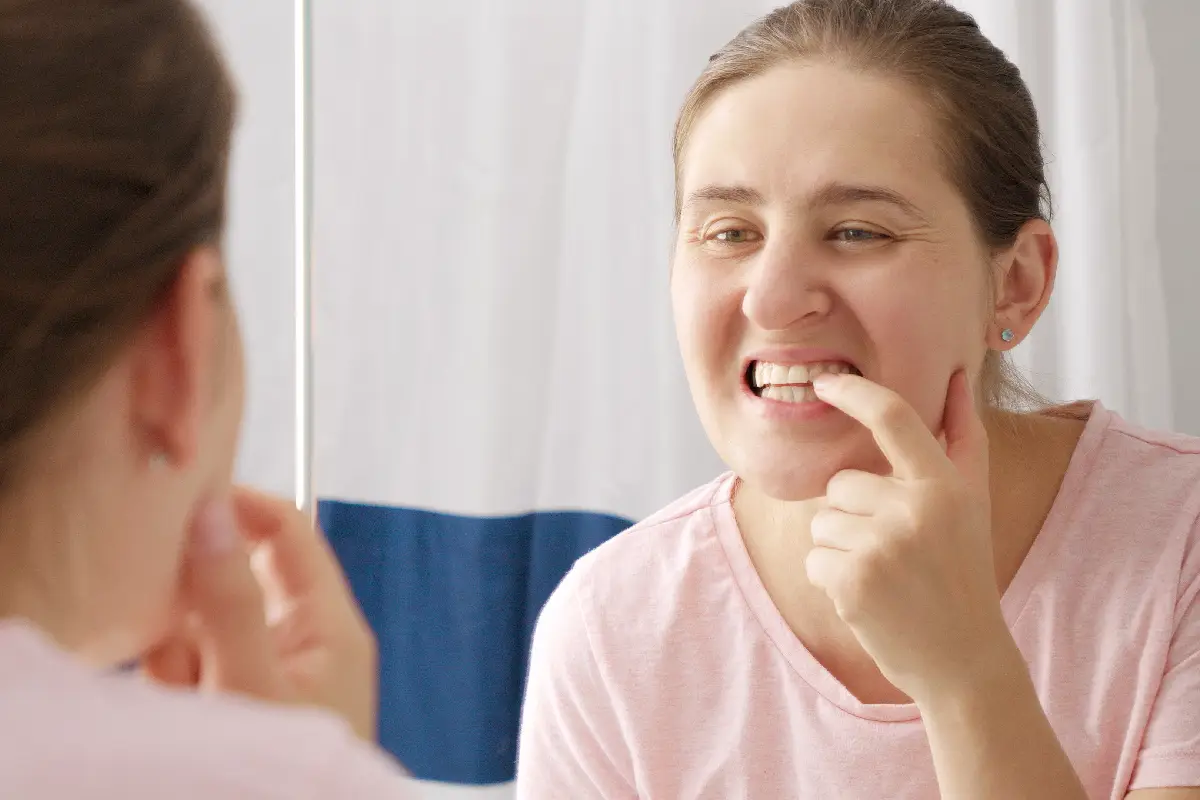
People experiencing persistent dryness may also have difficulty speaking, swallowing, or wearing removable dental appliances comfortably.
If you have noticed these symptoms, you may find it helpful to read about ways to manage dry mouth. Understanding common triggers and available management options can help you decide when to seek professional advice.
How Dental Care Can Help With Medication Related Dry Mouth
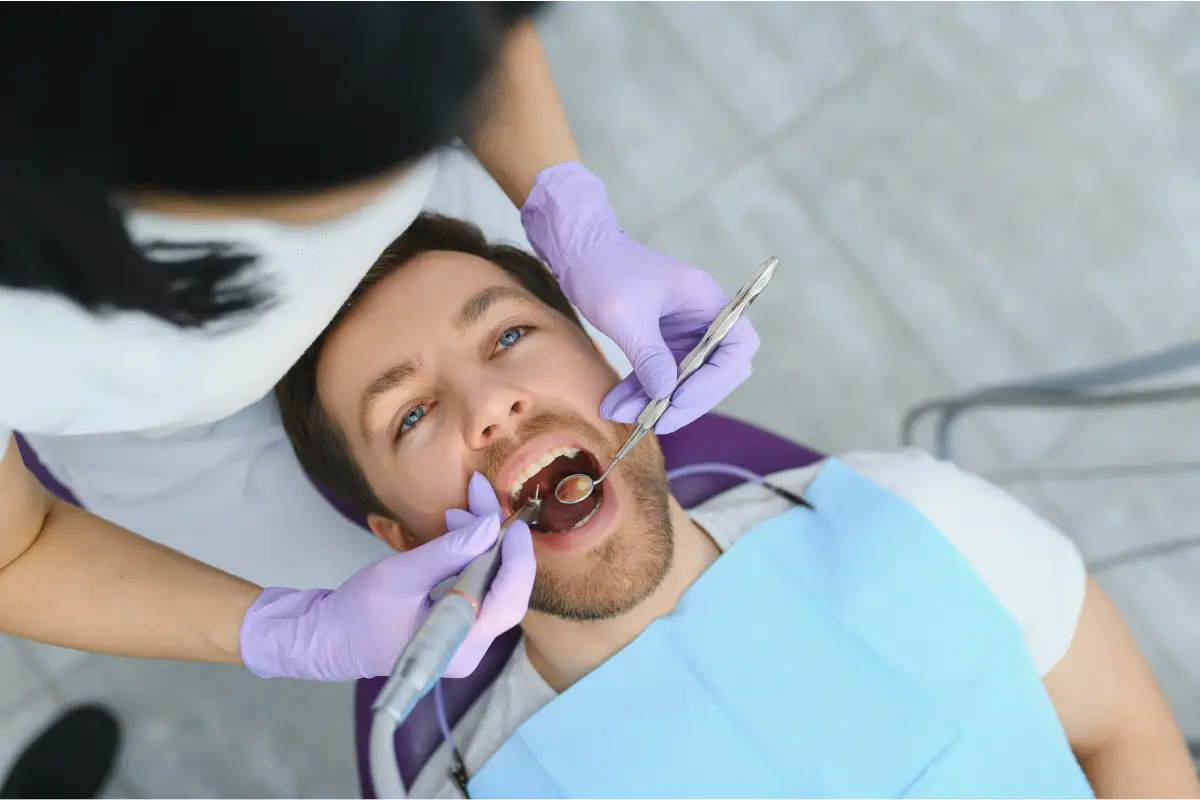
Persistent dry mouth deserves attention because reduced saliva can leave teeth more vulnerable to decay. During a dental examination, your dentist can check for signs of enamel damage, cavities, gum irritation, and other changes associated with reduced saliva.
Depending on your symptoms, recommendations may include drinking water regularly, using suitable saliva substitutes, adjusting your home care routine, or discussing medication related concerns with your prescribing healthcare professional.
The practice provides dry mouth counseling and related dental care to help patients understand these symptoms and protect their oral health.
Gum Swelling and Overgrowth
Certain medications can cause changes in gum tissue. Some medicines used to control seizures, prevent organ rejection, or manage high blood pressure may contribute to gum enlargement in some patients.
Swollen or enlarged gums can make brushing and flossing more difficult. This may allow plaque to accumulate and increase the risk of gum inflammation.
If you notice changes in your gum size, color, or comfort after starting a medication, discuss them with your dentist and prescribing healthcare professional.
Changes in Taste and Other Oral Effects
Some medications may affect your sense of taste. Food might taste bitter, metallic, or different from usual. Others can contribute to mouth irritation or make existing oral discomfort more noticeable.
The effects vary from person to person. Not everyone taking the same medicine will experience oral side effects, and a change in your mouth does not automatically mean medication is the cause.
What Can You Do to Protect Your Oral Health?
If you suspect a medication is affecting your mouth, do not stop taking it or change your dosage without speaking with the healthcare professional who prescribed it.
Instead, consider these steps:
- Keep an updated list of your prescription medicines, over the counter products, and supplements.
- Tell your dentist about any recent medication changes.
- Drink water regularly if you experience dry mouth.
- Ask your healthcare professional whether sugar free gum or saliva substitutes may be appropriate.
- Brush twice daily with fluoride toothpaste.
- Clean between your teeth every day.
- Maintain regular dental checkups so changes can be identified early.
An oral health specialist can review your symptoms, examine your teeth and gums, and recommend ways to reduce the impact of oral side effects.
When Should You Talk to Your Dentist?
Do not wait for a routine appointment if you experience persistent mouth dryness, unexplained gum swelling, painful sores, or sudden changes in taste. A dental evaluation can help identify possible causes and determine whether additional care is needed.
Your dentist may also coordinate with your prescribing healthcare professional when medication related changes affect your oral health.
Keep Your Dentist Informed About Medication Changes
Your medication list is an important part of your dental health history. Sharing updates helps your dental team understand possible side effects and plan appropriate care.
Medications can sometimes affect your oral health in unexpected ways. If you have experienced dry mouth, gum swelling, or changes in taste, the team at Smiles of Punta Gorda can help assess your symptoms and discuss appropriate dental care. Schedule a visit to talk through your concerns and plan your route to the practice.
Frequently Asked Questions
1. How can I tell if my medication is affecting my oral health?
Watch for new or persistent symptoms such as a dry or sticky mouth, swollen gums, unusual taste, mouth irritation, or increased tooth sensitivity. If these changes begin after starting a medication or changing its dosage, discuss them with your dentist and prescribing healthcare professional.
2. Why does my mouth feel dry even when I drink enough water?
Some medications reduce saliva production rather than simply causing dehydration. Since saliva helps keep the mouth moist, wash away food particles, and protect teeth from acids, drinking water alone may not fully relieve medication-related dry mouth.
3. Can swollen gums caused by medication go away?
Medication-related gum enlargement may improve with professional dental care and, in some cases, changes to the prescribed medication. However, never adjust or stop medication on your own. Your dentist and prescribing healthcare professional can help determine the appropriate approach.
4. What should I tell my dentist before a dental appointment if I take medication?
Share an updated list of prescription medicines, over-the-counter products, and supplements. Mention any recent medication changes and symptoms such as dry mouth, gum swelling, or altered taste. This information helps your dentist assess possible side effects and plan appropriate care.
5. Where Can I Get Dental Care for Medication-Related Oral Side Effects in Punta Gorda?
Smiles of Punta Gorda provides general dental care to help patients address concerns such as persistent dry mouth, gum irritation, and changes in oral health. The dental team can examine your teeth and gums, identify potential problems, and discuss suitable care based on your symptoms and medical history.
6. How Can I Book an Appointment at Smiles of Punta Gorda?
You can submit an online appointment request to arrange a visit with Smiles of Punta Gorda. Include your oral health concerns when requesting an appointment, and bring an updated medication list so the dental team can better understand your needs.