


A dental implant is designed to feel strong, secure, and just as stable as a natural tooth. So, if you notice your implant starting to feel loose, it can cause immediate concern—and understandably so. Even though implants are known for their durability and long-term success, certain factors can occasionally affect how well they stay anchored. The important thing to know is this: a loose dental implant is not normal, and addressing it early can significantly improve the outcome.
Whether you’re worried about movement, pressure, or unusual sensations around your implant, understanding the possible causes can help you take the right steps. If you’ve been searching for guidance or wondering if a dental implant can be saved, this detailed blog will give you clarity and confidence moving forward.
Why a Dental Implant Should Never Feel Loose
Dental implants replace missing tooth roots by fusing securely with the jawbone, a process known as osseointegration. Once healed, the implant should feel completely stable—no rocking, shifting, or movement when you bite or chew.
So, if your implant feels loose, it’s a sign that something around it isn’t functioning properly.
However, the good news is that not every case of looseness means implant failure. In many situations, the issue is related to the surrounding pieces, not the implant itself.
Common Reasons a Dental Implant Feels Loose
Not all looseness originates from the titanium post. Several other components play a role in your restored tooth, and any one of them may be responsible for the problem.
Here are the most common causes:
1. Loose Crown or Abutment
Sometimes, the implant itself is stable, but the crown (the visible tooth replacement) or the abutment (the connector piece) becomes loose.
This can cause:
- Movement while chewing
- Clicking sensations
- Slight shifting when you tap the tooth
This type of looseness is often repairable because the implant remains securely in the bone.
2. Bone Loss Around the Implant
If the bone around your implant weakens or deteriorates, the implant may lose its stability. Causes can include:
- Gum inflammation
- Poor oral hygiene
- Excessive pressure from grinding or biting
- Improper implant placement
- Untreated infections
Bone loss is more serious, but depending on the stage, the implant may still be saved with timely intervention.
3. Infection (Peri-Implantitis)
Peri-implantitis is an infection that affects the tissue and bone around the implant. It can cause swelling, bleeding, tenderness, and eventually looseness if not addressed.
This is one of the leading reasons an implant becomes unstable.
Early symptoms might include:
- Persistent bad taste
- Red or swollen gums
- Sensitivity around the implant
- Bleeding when brushing
The earlier this condition is identified, the better the chances of saving the implant.
4. Failure of Osseointegration
In some cases, the bone does not fully bond with the implant. This can happen due to:
- Insufficient bone density
- Trauma during healing
- Smoking
- Premature pressure on the implant
If osseointegration does not occur properly, the implant may become loose over time.
Can a Loose Dental Implant Be Saved?
The answer depends on what exactly is loose.
If the crown or abutment is loose:
✔ Most cases are fully fixable.
The underlying implant is often stable, and tightening or adjusting the components can resolve the problem.
If the implant post is loose:
Early intervention may save it, depending on the amount of bone loss or infection.
Ignoring it can lead to implant failure, making replacement necessary.
If there is significant bone loss or infection:
Treatment can sometimes preserve the implant, but timing is critical.
Severe cases may require removing the implant and allowing the bone to heal before another implant is placed.
The key takeaway is that addressing the issue as early as possible gives you the highest chance of saving the implant.
Why You Should Never Ignore a Loose Dental Implant
A dental implant is built to stay firmly in place. Any looseness is a red flag that something beneath the surface needs attention. Waiting too long can lead to:
- Worsening infections
- Additional bone loss
- Discomfort while chewing
- Implant failure
- Complications that require more complex treatment
Seeking evaluation as soon as you notice changes can make a meaningful difference in the outcome.
How a Dentist Can Help Protect Your Dental Implant
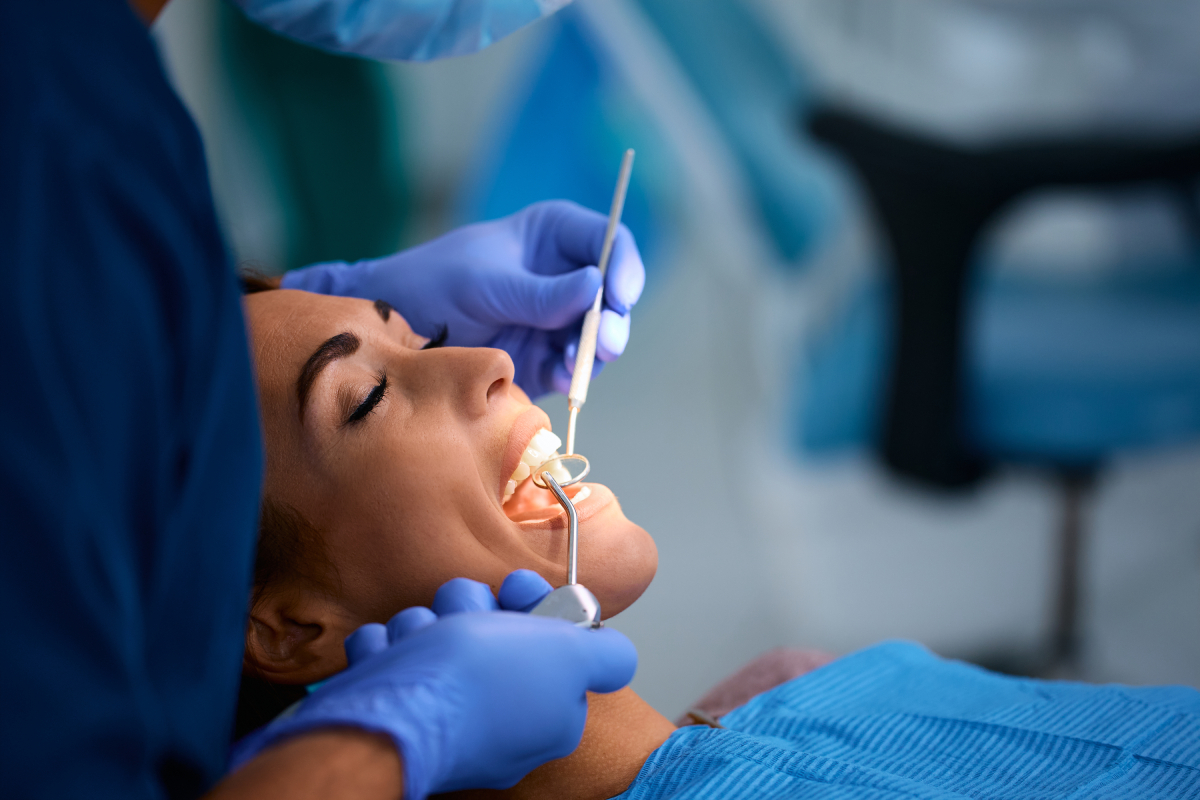
A trusted dentist can evaluate the implant, surrounding tissue, and bite alignment to understand why it feels loose. Their expertise helps determine whether the implant can be saved or if another approach is needed. With a patient-centered perspective and a commitment to high-quality care, they can guide you toward the right steps for protecting your oral health.
Restore Comfort and Confidence With Smiles of Punta Gorda
Feeling your dental implant shift can be unsettling, but getting the right guidance early can make a world of difference. At Smiles of Punta Gorda, we’re committed to a thoughtful and patient-centered approach that supports your comfort and peace of mind. Our team takes the time to understand your concerns, evaluate what’s causing the looseness, and offer personalized insights to help protect your dental implant. For supportive care and clarity about your next steps, schedule an appointment and let us help you maintain a stable, healthy smile. Our dental clinic in Punta Gorda is here to support your long-term oral wellness with compassion and expertise.


Visit Smiles of Punta Gorda
We can see you as soon as tomorrow!