

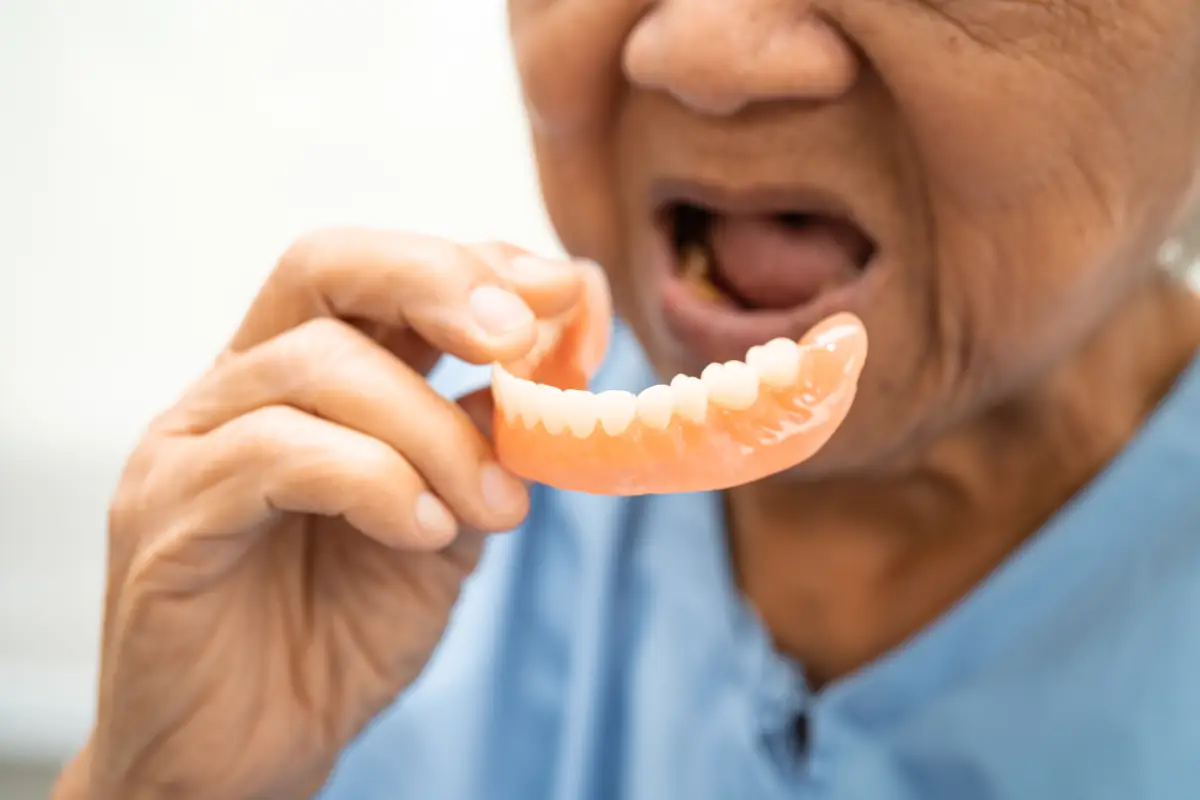
Dentures can make everyday activities like eating and speaking much easier, but they still need thoughtful care. Some habits seem harmless because they are part of an ordinary routine. Over time, though, they can scratch the surface, affect the fit, or irritate the tissues in your mouth.
Here are six habits worth reconsidering if you want your dentures to stay comfortable and functional.
1. Cleaning Them With Abrasive Toothpaste
Regular toothpaste may seem like the obvious choice, but some formulas contain abrasive ingredients that can scratch denture material. Those tiny scratches can make the surface more prone to stains and buildup.
Use a soft brush and a cleaner intended for dentures instead. Your natural teeth and your removable appliance do not necessarily need the same cleaning products.
2. Rinsing Them With Very Hot Water
A hot rinse may feel like a good way to remove bacteria or loosen debris. The problem is that excessive heat can change the shape of the denture material.
Even a small change can affect how the appliance sits in your mouth. Stick with cool or lukewarm water when cleaning or soaking them.
3. Sleeping in Them Every Night
Wearing dentures around the clock gives your gums and other oral tissues little opportunity to rest. Removing them at night also gives you time to clean them thoroughly and inspect your mouth for irritation.
Unless your dentist has given you different instructions for your specific situation, removing removable dentures before bed is generally recommended.
4. Letting Them Dry Out
Leaving dentures on a nightstand or bathroom counter may seem harmless, especially for a few hours. However, many removable dentures need to remain moist when they are not being worn to help maintain their shape.
Place them in water or an appropriate soaking solution according to the manufacturer’s instructions. Keep the container somewhere safe where the appliance will not get knocked onto a hard surface.
5. Using More Adhesive Instead of Checking the Fit
If your dentures start slipping, adding more adhesive can feel like an easy solution. But a noticeable change in fit may mean the appliance needs professional attention.
Adhesive is not designed to correct an ill fitting denture. Continued rubbing or movement can contribute to sore areas and irritation. An oral health specialist can check whether an adjustment, reline, or replacement makes more sense.
If you are looking into replacement options for missing teeth, a professional evaluation can also help determine which option fits your needs.
6. Trying to Repair or Adjust Them Yourself
A loose spot or damaged area can tempt you to reach for glue, a file, or an online repair kit. Resist that urge. DIY adjustments can permanently alter the appliance and make professional correction more difficult.
If something feels different, bring the appliance to a dental professional instead. A small fitting issue is much easier to address before it becomes a persistent source of discomfort.
A Few Simple Changes Can Make a Difference
Good care is less about complicated routines and more about avoiding habits that gradually work against your appliance. Clean gently, keep it properly stored, remove it when appropriate, and pay attention when its fit or comfort changes.
Keep Your Denture Care on Track
If your appliance no longer feels as comfortable as it once did, do not simply work around the problem. Smiles of Punta Gorda can evaluate your needs, discuss your options, and help you take the next step. To get personalized guidance, schedule an appointment or visit the denture care team in Punta Gorda for help with your next steps.
Frequently Asked Questions
1. How often should dentures be cleaned?
Clean your dentures daily to remove food particles, plaque, and buildup. Use a soft brush and a denture safe cleaning product rather than abrasive toothpaste, which can scratch the surface.
2. Can hot water damage dentures?
Yes. Very hot water can cause some denture materials to warp or change shape, which may affect the fit. Use cool or lukewarm water when rinsing or soaking them.
3. Why do my dentures feel loose all of a sudden?
A change in fit can happen as the shape of your gums and underlying bone changes over time. Instead of adding more adhesive, have the fit checked by a dental professional to determine whether an adjustment or another solution is appropriate.
4. Should I sleep with my dentures in?
In most cases, it is better to remove removable dentures while sleeping. This gives your oral tissues time to rest and allows you to clean and soak the appliance properly overnight. Follow your dental professional’s instructions if they recommend otherwise.


Visit Smiles of Punta Gorda
We can see you as soon as tomorrow!